What Shapes the Scope of Commercial recycling in Shrewsbury?
Commercial recycling is not a single, standardized service. A machine shop producing metal cutoffs every week requires a different collection plan from a contractor managing scrap from a short-term project. Material type, volume, storage space, vehicle access, pickup frequency, and preparation can all affect the recommended service.
Businesses researching commercial recycling in Shrewsbury, PA, should begin by identifying how scrap moves through their operation. That information helps the recycling company recommend an appropriate collection method, establish a practical schedule, and clarify which materials can be included.
Penn-Mar Recycling develops commercial metal recycling programs for contractors, industrial facilities, shops, and other businesses. Understanding the factors below can help your company prepare for an initial service discussion.
Material type defines the starting point
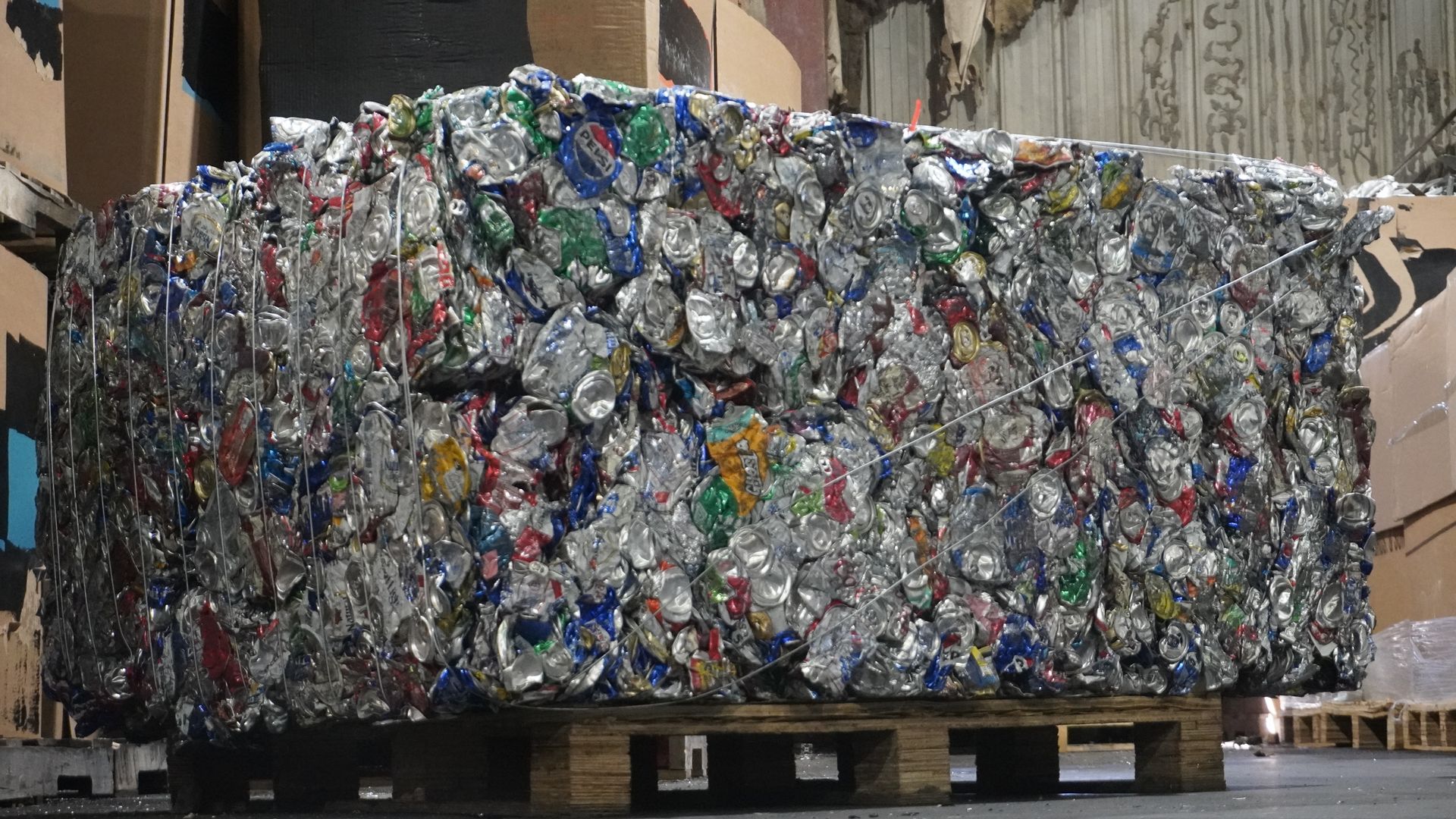
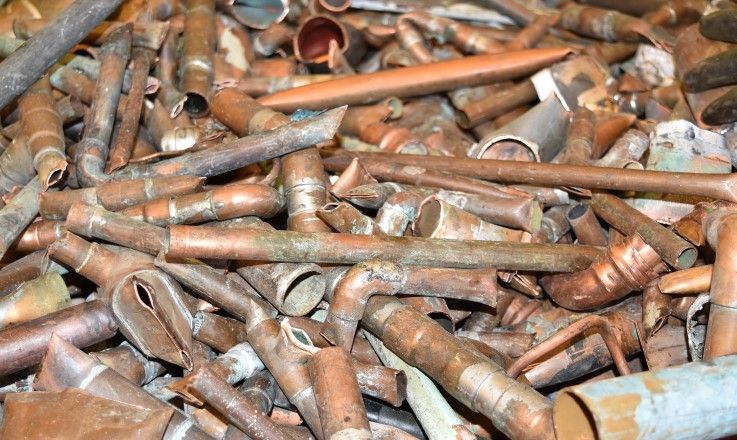
A commercial recycling plan begins with the materials the business produces. Steel, aluminum, copper, brass, insulated wire, stainless steel, and other metals may need different handling or separation.
One material stream or several?
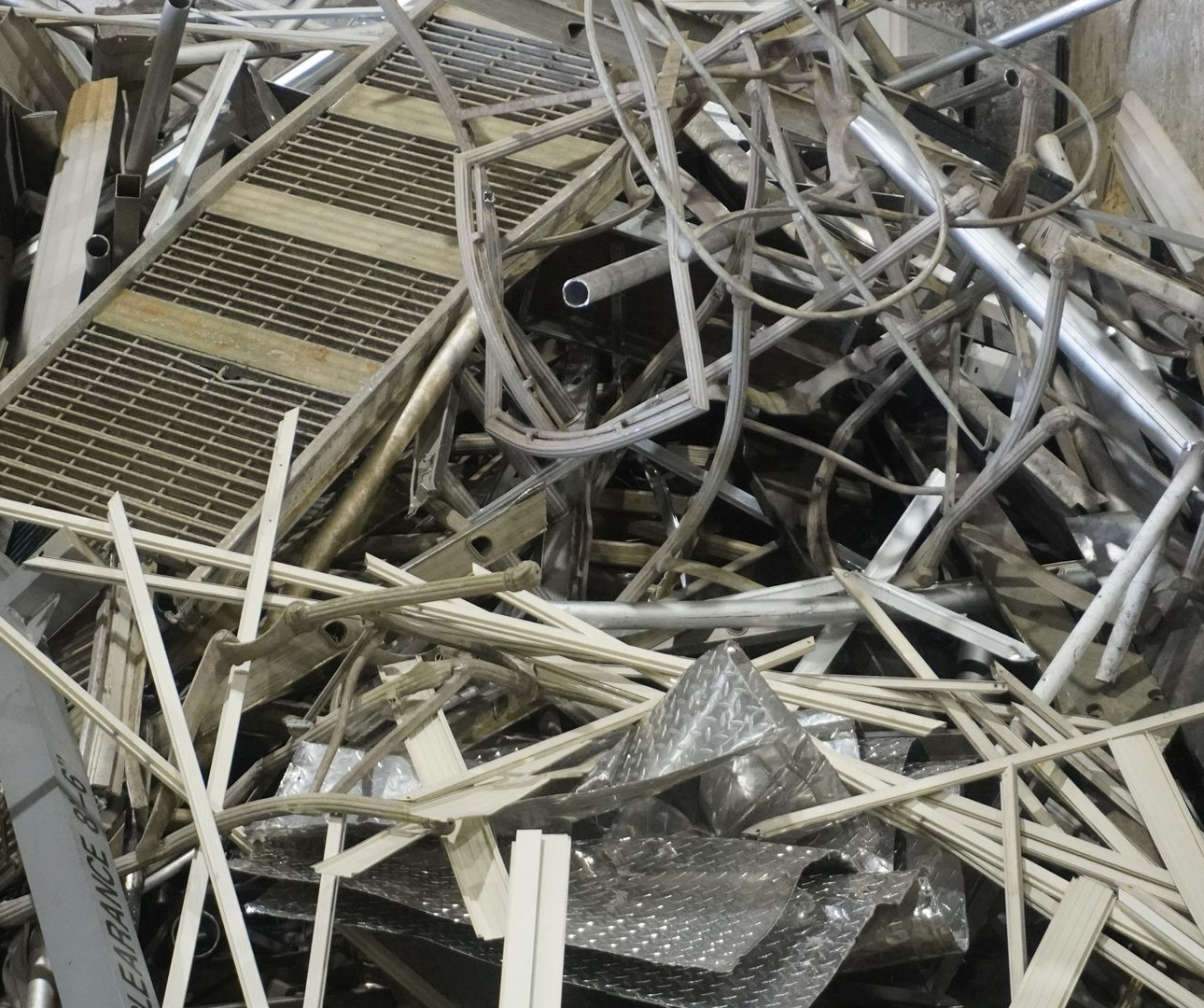
Some operations generate a predictable material stream, such as steel cutoffs from fabrication. Others produce a mixture of wire, pipe, fixtures, equipment components, and structural metal.
Identifying the principal materials helps determine whether one collection area will be sufficient or whether separate containers would make the process easier to manage. Separation can also make recyclable material easier to evaluate after collection.
Businesses do not need to identify every unfamiliar component before requesting service. However, providing a description or photographs can help Penn-Mar determine what questions need to be answered.
Attachments and nonmetal materials
Commercial scrap may contain plastic, rubber, wood, insulation, fluids, or other attachments. These conditions can affect whether the material is accepted and how it should be prepared.
Ask before removing components or altering equipment. The recycling team can explain what information is needed and whether a mixed or unusual item requires additional review.
Volume and frequency influence the service model
The quantity of metal produced is only one part of the volume calculation. The recycler also needs to understand how quickly it accumulates and whether production remains consistent.
A contractor may generate a large quantity during demolition and then very little when the project ends. A shop or manufacturing facility may produce a smaller but dependable weekly volume. Seasonal businesses may experience several high-volume periods during the year.
These patterns can point toward on-demand service, scheduled collection, direct delivery, or a combination of options. They also affect how much on-site storage the business needs between collections.
Accurate volume estimates do not need to be exact. Approximate weights, previous load records, photographs, container dimensions, or the number of loads generated during a typical month can provide a useful starting point.
Roll-off containers must match the material and location
For businesses producing substantial quantities of metal, roll-off recycling containers can provide an organized collection point. However, the container should be selected as part of the complete recycling plan rather than treated like a general waste dumpster.
Material weight affects container planning
A container that is suitable for lighter metal may not be appropriate for the same volume of dense steel. The material’s weight, dimensions, and loading method can influence the container recommendation.
Tell the recycling company whether employees will load the container manually or use equipment. Long pieces, heavy components, and irregular scrap may require a different approach from smaller production cutoffs.
Penn-Mar’s roll-off containers are intended for metal recycling. General trash and unrelated construction debris should not be placed in the container.
Placement affects daily operations
The placement area should allow employees to use the container without disrupting normal work. It should also provide suitable access for delivery and collection vehicles.
A recycling provider may need to evaluate surface conditions, gates, overhead clearance, turning space, parked vehicles, loading zones, and active work areas. The container should not block emergency routes, customer access, or equipment that must move through the property.
Site access can change the collection plan
Two businesses producing similar scrap may need different service plans because their properties operate differently.
A large industrial yard may provide straightforward truck access. A smaller facility may have a narrow entrance, shared parking, limited turning space, or specific delivery hours. Construction sites can change as materials, equipment, and subcontractors move through the project.
Before service begins, identify where a collection vehicle can enter, turn, load, and leave. Discuss locked gates, appointment requirements, work-hour restrictions, and the person who can authorize access.
If the site conditions are uncertain, photographs or an on-site review can help confirm whether the proposed collection method is practical.
Pickup frequency should follow production
A container or storage area should not need to overflow before the next collection is requested. At the same time, pickups scheduled too frequently may not match the company’s actual production.
The appropriate schedule depends on how quickly material accumulates, how much storage is available, and whether the business can tolerate temporary interruptions. Some companies benefit from regular service, while others need on-demand pickups tied to project milestones or production levels.
Establish who will monitor the material and request service. There should also be a clear procedure for schedule changes during high-production periods, facility shutdowns, or construction delays.
Internal handling can affect the recycling program
Commercial recycling continues between pickups. Employees need a simple process for placing materials in the correct location and keeping unrelated waste out of recycling containers.
The system should be easy to understand without creating unnecessary steps. Clearly designated collection areas and basic instructions can reduce confusion, particularly when several departments, crews, or subcontractors use the same site.
One person should be responsible for communicating with the recycling company. That contact can answer material questions, coordinate access, approve service changes, and keep records associated with the program.
What affects commercial recycling costs and returns?
Commercial recycling should not be evaluated through a single advertised price. The practical and financial result can depend on the metal type, grade, condition, quantity, market value, preparation, collection method, and transportation requirements.
Current scrap values can change, so businesses should confirm pricing when arranging service. They should also distinguish the value of the material from the operational requirements of providing containers or collecting it.
A clear discussion should address:
- Materials included in the program
- Collection or delivery method
- Proposed pickup frequency
- Container and access requirements
- Payment and documentation procedures
These details make it easier to compare the complete scope instead of focusing on one number without understanding the service behind it.
What information should you provide before requesting service?
Prepare a brief description of the business, the materials generated, and the expected volume. Explain whether the need is ongoing or connected to a particular cleanup, renovation, demolition, or production cycle.
Photographs can be helpful when the material is mixed, difficult to identify, unusually large, or attached to other components. Include images of the proposed container area if site access may influence delivery.
Businesses can also discuss the anticipated schedule, loading equipment, property restrictions, and preferred form of communication. Sharing this information early helps the recycling company recommend a more accurate plan.
Does your Shrewsbury business generate recurring or project-based metal scrap?
Contact Penn-Mar Recycling to confirm your materials, discuss collection options, and determine whether scheduled service or a roll-off container fits your operation.
Review the program after service begins
A commercial recycling program may need adjustment after the business sees how quickly its containers fill and how well the collection area supports daily operations.
Review whether pickups occur at the right frequency, employees can use the collection system easily, and materials remain properly organized. Changes in production, staffing, projects, or available space may also require a different schedule or container arrangement.
Keep service contacts, weight records, payment information, and approved program changes together. Consistent records make it easier to evaluate the program and plan for future recycling needs.
Plan commercial recycling in Shrewsbury with Penn-Mar
The scope of a commercial recycling program depends on more than the total quantity of scrap. Material types, production patterns, container needs, site access, internal handling, and service frequency all influence the final plan.
Penn-Mar Recycling supports businesses, contractors, shops, and industrial operations through customized commercial recycling and roll-off container services. Its Shrewsbury recycling location serves commercial and residential customers in southern Pennsylvania.