Aluminum recycling for machine shops and fabrication businesses in Hanover
Aluminum scrap generated by a machine shop or fabrication business does not usually appear as one convenient load. It accumulates through production: turnings collect near equipment, extrusion cutoffs fill racks, sheet skeletons take up floor space and rejected parts remain in storage while the team decides what to do with them.
Without a defined recycling process, those materials can become mixed with steel, packaging, fluids or ordinary shop waste. That makes storage harder to manage and the material more difficult to evaluate.
Penn-Mar Recycle helps Hanover businesses create practical recycling arrangements for aluminum and other qualifying metals. The right setup may include organized shop containers, scheduled pickup, on-demand service or transportation to our nearby Shrewsbury recycling center.
The objective is not to make production teams become scrap-grading experts. It is to establish a repeatable process that keeps identifiable materials separated, accessible and ready for recycling.
Why aluminum scrap should be managed as part of production
In a busy shop, scrap handling competes with work that directly serves customers. Production comes first, while leftover metal is often moved aside until a container becomes full or storage space runs out.
That reactive approach can create several problems. Different alloys or product forms become mixed, containers are placed wherever space is available and high-value material may be buried beneath less useful debris.
A recycling plan treats scrap as a predictable output of the operation. The business identifies where aluminum is generated, which categories can remain separate and how frequently material should leave the facility.
Penn-Mar provides commercial metal recycling services for manufacturers, machine shops, fabricators and other businesses that generate recurring metal scrap.
Identify the main aluminum streams in the shop
The recycling plan should begin with the materials the business actually produces. A fabrication facility working with sheet aluminum will have different needs from a machine shop producing turnings or a company cutting extruded profiles.
Machine turnings and chips
Machining operations can produce aluminum chips, shavings and turnings as material is cut and shaped. These smaller pieces require appropriate containers because they can spread across the work area or become mixed with other shop debris. The container should be suitable for the material, positioned near the point of generation and manageable when full.
Turnings affected by coolant, oil or another substance should not automatically be combined with clean, dry aluminum. Contact Penn-Mar to explain how the material was generated and determine how it should be prepared.
Extrusion cutoffs
Extruded aluminum may include channels, angles, tubing and other formed profiles. Cutoffs can accumulate quickly when multiple pieces are produced to specific dimensions.
Keeping extrusion remnants separate from steel and mixed assemblies makes the material easier to inspect. Longer pieces should be stored so they do not obstruct aisles or loading areas.
Sheet aluminum and skeletons
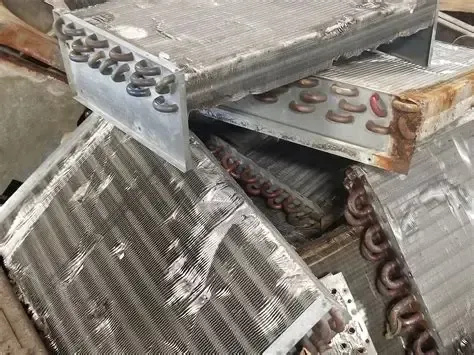
Sheet fabrication can leave behind offcuts, punched pieces and skeletons after usable parts are removed. These materials may have sharp edges and irregular shapes, so the collection method should protect employees and prevent the pile from expanding into active workspace.
If the material contains fasteners, coatings or attachments, describe those conditions when discussing the load with Penn-Mar.
Rejected components and obsolete inventory
Finished parts, prototypes and unused stock may also become recyclable when they are no longer suitable for production. Before recycling, the business should complete any required inventory, customer-property or quality-control procedures. Scrap should not leave the facility until the appropriate person has authorized its disposition.
Penn-Mar’s aluminum recycling page includes machine turnings, extrusions, cast aluminum, sheet aluminum and other common forms accepted for evaluation.
Keep aluminum separate from steel
Aluminum is a nonferrous metal, while steel is generally ferrous and contains iron. These materials should remain separate when practical because they may be reviewed and valued differently.
A magnet can help identify many steel items, but it should be used only as a basic sorting aid. It does not identify the exact aluminum alloy or determine the final scrap classification.
Steel bolts, brackets and attachments can also remain on an aluminum component. The shop should remove obvious attachments only when doing so is safe and efficient. Labor-intensive disassembly may not make sense for every piece.
The goal is clean, understandable material streams—not spending production time attempting to create perfect scrap grades without guidance.
Prevent cross-contamination at the source
Material separation is easiest where the scrap is created. If aluminum turnings enter a container already holding steel chips, general waste or another alloy, correcting the mixture later can require additional labor. Clearly assigned containers reduce that problem.
Labels should use terms employees recognize, such as “aluminum turnings,” “extrusion offcuts” or “sheet aluminum.” A label that simply says “metal” may be too broad for a facility handling several materials.
Color coding can also help, provided the same system is used consistently across departments and shifts. The shop supervisor should determine what happens when an employee is uncertain about a piece. A designated review container is often better than guessing and contaminating an otherwise organized material stream.
Choose containers based on material and workflow
The largest available container is not automatically the best choice. Turnings may require smaller, manageable containers near each machine. Long extrusions need a collection area that controls their length and prevents them from entering travel paths. Sheet skeletons may require a wider container or designated rack.
Container placement should support production without interfering with:
- Emergency exits and fire equipment
- Forklift and pallet movement
- Employee walkways
- Machine access and maintenance
- Shipping and receiving operations
Penn-Mar can provide boxes, bins, hoppers and 55-gallon drums for qualifying commercial recycling programs. The recommended setup depends on the material, volume and method of removal.
Does your Hanover shop generate aluminum turnings, extrusion cutoffs or fabrication scrap?
Contact Penn-Mar Recycle to discuss your materials, production volume, available storage space and preferred pickup schedule.
Determine how quickly scrap accumulates
A recurring recycling schedule should be based on actual production rather than an arbitrary calendar.
Track how long it takes to fill each container during normal operations. The company should also consider seasonal production increases, major contracts and planned equipment changes that could temporarily create additional scrap.
If the pickup occurs too frequently, containers may leave before enough material has accumulated. If service occurs too late, scrap may overflow or occupy space needed for production.
Penn-Mar offers regular and on-demand commercial service. A business can begin with an estimated schedule and adjust it after observing its real material volume.
Decide whether pickup or drop-off is more efficient
Some Hanover businesses can transport their own aluminum scrap to Penn-Mar’s nearby Shrewsbury facility. Others produce enough material that pickup is more practical.
Commercial drop-off
Drop-off may work well when the business has suitable vehicles, manageable loads and employees already traveling near the facility. Before transporting the material, the company should confirm accepted items and organize the load so different categories remain accessible. Containers and loose material must be secured appropriately during transportation.
Penn-Mar’s Hanover scrap metal recycling page provides information about nearby drop-off and commercial recycling options.
Mobile pickup
Penn-Mar’s mobile pickup service is designed for larger quantities of qualifying nonferrous material, including aluminum, copper, brass and stainless steel.
The box truck travels to the business, and material can be weighed at the site using a state-certified mobile scale. Service availability depends on the type, volume and location of the material.
Businesses can review mobile scrap pickup services before discussing a collection schedule.
Roll-off containers
A roll-off container may be more appropriate when a facility produces large volumes of qualifying metal or needs centralized storage for a defined project.
Because the container is intended for recyclable metal, employees should not use it as a general dumpster. Its placement must also allow suitable truck access for delivery and removal.
Penn-Mar offers roll-off scrap metal containers for qualifying commercial and industrial applications.
Prepare the pickup and loading area
A reliable collection schedule still requires a workable loading area. The truck must be able to enter, position safely and leave without unnecessary interference from parked vehicles, incoming deliveries or production traffic.
Before service, the business should confirm gate access, overhead clearance, loading hours and any security procedures. If material is stored indoors, the team should determine who will move it to the pickup area and what equipment will be used.
Containers should not be placed on soft or unstable ground without discussing the conditions. Rain, freezing weather and snow can change access around outdoor storage areas.
One facility contact should be available to identify the material and resolve questions when the driver arrives.
Understand how aluminum scrap is valued
The value of aluminum scrap depends on more than total weight. Material form, grade, cleanliness, attachments and current market conditions can influence how it is classified. Extrusions, sheet aluminum, cast parts and turnings may not be evaluated as one identical category.
Separating obvious material streams can make the review more efficient, but it does not guarantee a particular price. Businesses should contact Penn-Mar for current pricing information rather than relying on an older receipt or online estimate.
If the shop generates a consistent material stream, provide representative photographs and explain the manufacturing process. This can help Penn-Mar understand what the business expects to recycle.
Assign responsibility for the recycling program
A recycling system needs one person responsible for maintaining it. That person does not have to handle every container personally. Their role is to confirm that labels remain visible, monitor capacity, schedule service and communicate changes in production.
The business should also establish what documentation it needs for internal records. Depending on company procedures, that might include weights, payments, pickup dates or material categories.
When employees understand why materials are separated and who to contact with questions, the system is more likely to remain consistent across shifts.
Review the program after the first collections
The first setup does not have to be permanent. After several drop-offs or pickups, review whether the containers are the right size, whether service occurs at the appropriate frequency and whether materials remain separated.
A shop may discover that one machine generates turnings faster than expected or that extrusion cutoffs require a different collection area. Production changes may also introduce new alloys or scrap forms.
Share those changes with Penn-Mar before the next collection. Updating the recycling arrangement is easier than allowing an outdated setup to interfere with operations.
Build aluminum recycling into year-end planning
Fall and year-end reviews are useful times to evaluate accumulated scrap, obsolete material and the recycling process itself.
A Hanover shop may be preparing for winter production, closing old work orders, reorganizing inventory or clearing space for new equipment. Removing recyclable aluminum can support that work while recovering value from material the company no longer needs.
The business should distinguish between recurring production scrap and a one-time cleanout. A temporary increase in material may require an additional pickup without permanently changing the normal schedule.
Planning ahead gives Penn-Mar time to review the expected volume and recommend a suitable service option.
Plan aluminum recycling in Hanover with Penn-Mar
A strong aluminum recycling program begins where scrap is produced. Separating turnings, extrusions, sheet remnants and rejected parts can keep the shop organized and make the materials easier to evaluate.
Penn-Mar Recycle supports Hanover machine shops, fabricators and commercial operations with public drop-off, customized commercial recycling, mobile pickup and roll-off container options.
Related aluminum and commercial recycling resources