Copper, brass and steel recycling in Rosedale and Baltimore: A quality checklist before you choose a facility
Choosing a recycling facility involves more than finding the nearest place that accepts scrap metal. Copper, brass and steel can differ significantly in composition, grade, weight, preparation requirements and value. The facility should be able to identify the material, explain how it will be classified and recommend the right service for the size and frequency of the load.
For customers researching copper, brass and steel recycling in Rosedale and Baltimore, MD, location also matters. Penn Mar Recycling operates a public and commercial recycling facility at Golden Ring in Rosedale and a separate Baltimore-area facility dedicated to commercial and industrial customers.
Understanding that distinction before loading a vehicle or scheduling service can prevent unnecessary travel and help customers choose the correct recycling option.
This checklist explains what to evaluate before selecting a scrap metal recycling company for a one-time drop-off, a larger commercial load or an ongoing recycling program.
Confirm that the facility accepts your specific materials
A recycling company may advertise metal recycling without accepting every type, grade or condition of material. Before visiting, describe what you have rather than simply saying that the load contains scrap metal.
Copper tubing, insulated wire, brass valves and structural steel are all recyclable metals, but they are not processed or classified in the same way. Materials attached to equipment, mixed with other metals or contaminated with non-metal components may require additional evaluation.
Penn Mar Recycling publishes information about its accepted copper, brass and steel materials. Reviewing those pages can help customers identify obvious categories before contacting the facility.
The recycling center should make it easy to ask about uncertain materials. Penn Mar’s contact form allows customers to describe the metal, select a preferred location and upload photographs when visual identification may be helpful.
Choose the correct Rosedale or Baltimore facility
Penn Mar Recycling has two facilities in the Rosedale and Baltimore area, but they serve different customer needs.
Golden Ring in Rosedale
The Golden Ring recycling location serves both retail and commercial customers. Its services include cash for scrap, material identification, same-day payment and the acceptance of multiple metal categories.
This location may be appropriate for homeowners, tradespeople, contractors and businesses bringing eligible scrap directly to the facility.
Baltimore commercial facility
The Baltimore recycling location is open to commercial and industrial customers only. It is designed for large loads, heavy equipment, industrial contracts, roll-off containers and on-site assessments.
A company generating recurring scrap should not assume that the same process used for a small public drop-off will be the best option. Calling ahead allows Penn Mar Recycling to determine whether the Rosedale facility, Baltimore commercial facility, pickup service or a container program is the appropriate match.
Look for knowledgeable material identification
A quality recycling provider should be able to evaluate metal based on its actual characteristics. Customers should not be expected to identify every alloy or grade before arrival.
Basic preparation still helps. A magnet can often distinguish ferrous material, such as common steel, from non-ferrous metals such as copper and brass. However, that simple test does not determine the precise grade, cleanliness or final classification.
Copper requires grade evaluation
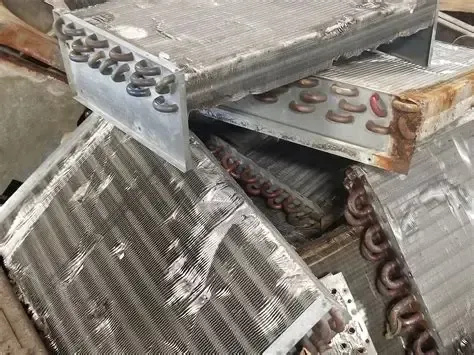
Copper may arrive as clean tubing, oxidized pipe, bare wire, insulated cable, bus bars, radiators or material attached to equipment. Clean copper without solder, paint or attachments may be evaluated differently from coated or contaminated material.
A responsible facility should inspect the load rather than promising one classification based only on a telephone description.
Brass can contain attached materials
Brass is commonly found in faucets, valves, fittings, locks, hinges, radiators and mechanical components. Steel screws, iron pieces, plastic handles and other attachments can affect how the material is evaluated.
Red brass, yellow brass and bronze may also be classified separately because their compositions differ. Customers do not need to guess the grade, but keeping visibly different materials apart can support a clearer review.
Steel is usually handled by weight and category
Steel and iron may include structural beams, appliances, machinery, shelving, roofing, pipes, rebar and equipment. These materials are often heavier and may require more unloading space or equipment than smaller non-ferrous loads.
The recycling company should ask about unusually large pieces, heavy machinery or equipment before the customer arrives. This makes it easier to confirm that the selected facility can unload and process the material safely.
Evaluate how clearly the company explains pricing
Metal prices change according to market conditions. The amount paid can also depend on the metal type, grade, cleanliness, attachments, quantity and classification assigned after inspection.
For this reason, a quality recycling company should not present an old online price as a permanent guarantee. It should explain that current information must be confirmed and that the physical material determines the final classification.
Customers comparing facilities should ask:
- Is pricing based on the material’s confirmed grade and weight?
- Will separate metal categories be weighed independently?
- How and when is payment issued?
- Could contamination or attached components change the classification?
Penn Mar Recycling encourages customers to call for current information and offers same-day payment for eligible materials. Commercial arrangements may use cash, check or ACH depending on the program and account.
A transparent process does not mean every load will receive the highest published rate. It means the recycler can explain why the material was placed in a particular category.
Check the weighing and classification process
The recycling transaction depends on both identification and weight. Customers should understand when the material is weighed, whether different categories will be separated and how the recorded weight connects to payment.
Mixed loads can complicate this process. Copper tubing buried beneath steel, brass fittings combined with general demolition debris or wire tangled around equipment may require more handling before the material can be evaluated.
A well-organized load makes it easier for the facility to see what is present. It also reduces the likelihood that valuable non-ferrous material will remain hidden inside a lower-value mixed category.
Customers should not dismantle unfamiliar machinery or electrical equipment simply to make the metal easier to weigh. Photographs and an advance conversation are safer when the load includes sealed equipment, heavy components or materials of uncertain condition.
Have copper, brass, steel or a mixed commercial load in the Rosedale–Baltimore area?
Contact Penn Mar Recycling to confirm accepted materials, choose the correct location and request current service information.
Review the company’s preparation guidance
A reliable metal recycler should provide practical preparation instructions without suggesting unsafe or unnecessary processing. Copper wire, for example, does not always need to be stripped before recycling. Penn Mar Recycling accepts multiple forms of copper and insulated wire. Burning insulation or using unsafe heat, chemical or cutting methods should never be used to expose metal.
Brass fixtures may be kept separate from general steel when practical. Large steel pieces should be secured for transportation and described before arrival if unloading equipment may be necessary.
The goal is not to grade every item independently. The most useful preparation usually involves keeping obvious metal categories separate, removing unrelated trash and ensuring the material can be safely inspected and unloaded.
Customers preparing wire can review Penn Mar’s guide to clean separation for copper wire recycling before loading their vehicle.
Consider safety and transportation requirements
A quality recycling experience begins before the vehicle reaches the facility. Loose tubing, sharp sheet metal, wire coils and heavy steel can shift during transportation. Materials should be contained or secured so they do not fall from the vehicle, create exposed hazards or become impossible to unload safely.
Containers should be sturdy enough for their contents but not so heavy that they cannot be handled safely. Smaller copper and brass pieces may be placed in separate bins, while longer materials may require straps or another suitable restraint.
Customers should also avoid including unknown liquids, pressurized containers, live ammunition, energized electrical components or other potentially hazardous items without first speaking with the facility.
When the load contains unusual equipment or a material that cannot be easily identified, upload photographs or call before traveling. A short confirmation can prevent the customer from transporting an item that requires different preparation or service.
Match the recycling service to the volume of scrap
The right recycling provider should offer more than one way to manage metal. An occasional load of copper pipe or brass fixtures may be suitable for public drop-off. A contractor completing a demolition or mechanical replacement may need pickup assistance. A manufacturing operation generating steel and non-ferrous scrap every week may benefit from containers and scheduled service.
The amount of metal is only one consideration. The recycling plan should also account for:
- How quickly scrap accumulates
- The space available for collection
- Whether metals can be separated at the source
- Equipment and access at the property
- How often material needs to be removed
Penn Mar Recycling provides commercial metal recycling services with regular or on-demand scheduling, customized programs, roll-off containers and pickup options.
Assess the quality of commercial recycling support
Businesses need a recycling partner that can work with their operations rather than creating additional interruptions. A commercial program should begin with a discussion of the materials generated, approximate volume, collection areas, equipment access and preferred service frequency. The recycler can then recommend containers, pickup methods and a schedule that fits the site.
Communication should be direct
The business should know who to contact when a pickup is required or the volume changes. Clear communication becomes especially important during construction, shutdowns, equipment replacement or periods of increased production.
Penn Mar Recycling provides commercial clients with direct access to a team member and offers scheduled or on-demand service.
The program should support material separation
Copper, brass and steel should not automatically be combined simply because they come from the same operation. The recycler should help determine which categories can be collected separately and what containers are practical for the available space.
Source separation can make scrap easier to handle and may support clearer classification. The plan must still remain realistic for employees and contractors working at the site.
Pickup frequency should match actual production
Containers that remain full can interfere with work areas, while pickups scheduled too frequently may be unnecessary. A quality provider should be willing to adjust the schedule as the business learns how quickly its scrap accumulates.
This flexibility is particularly useful for demolition contractors, plumbers, HVAC companies, electrical contractors, fabricators and facilities with changing workloads.
Confirm what is included before beginning service
A commercial recycling agreement should clearly describe the service being provided. The business should understand which materials are included, what container or pickup method will be used, where equipment will be placed and who is responsible for keeping unrelated waste out of the scrap.
The arrangement should also explain the expected pickup process, communication method and payment structure. If on-site assessments or special equipment are needed, those requirements should be identified before the first collection.
For one-time commercial loads, provide accurate information about the material, quantity, largest pieces and available loading access. A photograph may help the recycling team recommend the appropriate next step, but final classification still depends on inspection.
Look for local experience and accessible facilities
Local experience matters because a recycling company must understand the needs of nearby contractors, industrial operations, maintenance teams and public customers.
Penn Mar Recycling is a family-owned company that has served Pennsylvania and Maryland since 1979. Its Golden Ring location opened in 1989 to serve Baltimore County, while the commercial Baltimore facility opened in 2019 to support larger industrial and business recycling operations.
The presence of two nearby facilities gives Rosedale and Baltimore customers different service options. However, it also makes it important to confirm the destination before leaving.
Prepare the key information before contacting a recycler
Customers can receive more useful guidance when they provide clear information from the beginning. Be ready to describe the metal type, estimated quantity, condition and source. Mention whether copper is bare or insulated, whether brass has steel attachments and whether steel includes appliances, machinery or oversized structural pieces.
For commercial service, also explain how often the material is generated, where it is stored and what access is available for a pickup vehicle or container.
Exact weights and grades are not required before the conversation. The recycler needs enough information to determine the likely service and location. Final identification, weighing and classification take place after the material is inspected.
Choose a recycler based on the complete process
The highest-sounding telephone price should not be the only factor in choosing a recycling facility. A reliable experience also depends on material knowledge, accurate weighing, safe unloading, clear communication, convenient service and transparent payment.
The best option should match both the material and the customer. A homeowner with several bins of separated metal requires a different process from a contractor managing recurring jobsite scrap or an industrial facility replacing heavy equipment.
By confirming acceptance, location, preparation, classification and service requirements in advance, customers can avoid delays and make better use of the copper, brass and steel they have collected.
Recycle copper, brass and steel with Penn Mar Recycling
Penn Mar Recycling accepts multiple grades of copper, brass, steel and other metals at its Maryland and Pennsylvania facilities. Its Golden Ring location in Rosedale serves public and commercial customers, while its Baltimore-area facility is dedicated to larger commercial and industrial operations.
Before visiting, confirm the material, current hours and appropriate destination. Businesses can also discuss pickup service, roll-off containers and customized recycling programs.
Related metal recycling resources