Copper Recycling
in Shrewsbury, PA
One of the most valuable recyclable metals. We accept all grades of copper and pay top dollar for clean material.
Types of Copper We Accept
Brite Copper
Clean, shiny copper wire or tubing with no oxidation, solder, or attachments. The highest grade of copper we accept.
#1 Copper
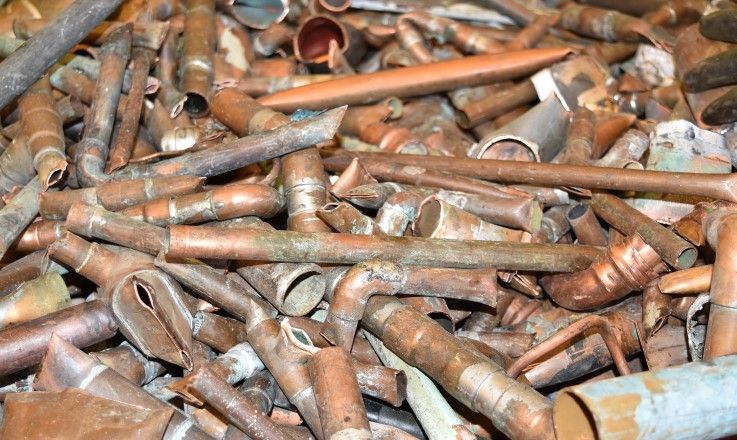
Clean copper tubing, pipes, bus bars, and wire with minimal tarnish. No solder, paint, or coatings.
#2 Copper
Unalloyed copper with oxidation, solder, paint, or coatings. May include tarnished or dirty copper.
#3 Copper
Lower grade copper with heavy corrosion or contamination. Still valuable and recyclable.
Insulated #1 Copper
Clean copper wire still covered with insulation. Higher copper content inside.
Insulated #2 Copper
Insulated copper wire with lower copper content or mixed with other materials.
Copper / Aluminum Radiators
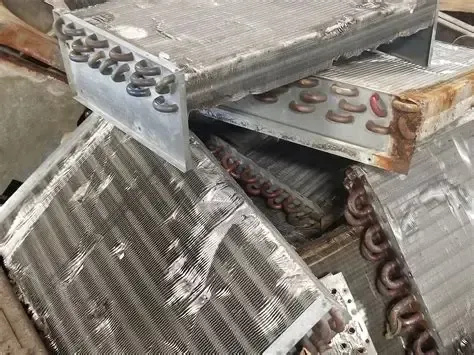
Automotive and HVAC radiators containing both copper and aluminum. We handle the separation.
Common Sources of Copper
Electrical
- Electrical wiring
- Power cables
- Transformers
- Electric motors
- Generators
- Bus bars
Plumbing & HVAC
- Copper pipes
- Water lines
- Radiators
- HVAC units
- Refrigeration coils
- Copper tubing
Other Sources
- Roofing & gutters
- Sculptures & art
- Household fixtures
- Industrial equipment
- Electronics
- Automotive parts
Where Copper Scrap Comes From
Copper is one of the most widely recovered non-ferrous metals because it is used in homes, commercial buildings, industrial facilities, and infrastructure projects. Homeowners often generate copper during plumbing updates, electrical renovations, and appliance replacement, while electricians, HVAC contractors, plumbers, remodelers, and demolition companies routinely recover larger quantities from job sites. Identifying copper before materials are mixed with construction debris helps maximize recycling opportunities while simplifying the sorting process.
Ready to Recycle Your Copper?
Visit any of our locations for same-day payment. All grades accepted!