Commercial Scrap Metal Drop-Off in Glen Burnie: Organizing Equipment and Mixed Loads
A shelving upgrade, a shop reorganization or the replacement of an older machine can leave a business with metal that still has value. Recycling gives those materials a practical next step while making room for the work ahead.
At Penn-Mar Recycling, we understand that managing scrap is often just one part of a larger project. A business owner may be fitting a cleanout around customer appointments, while a maintenance team may be replacing equipment. Clear communication makes it easier to coordinate recycling with those daily responsibilities.
For businesses considering commercial scrap metal drop-off in Glen Burnie, the starting point is a clear conversation about the material and the available service. That gives local operators a useful basis for deciding how recycling fits their project, time and resources.
Equipment and Loose Scrap Require Different Evaluations
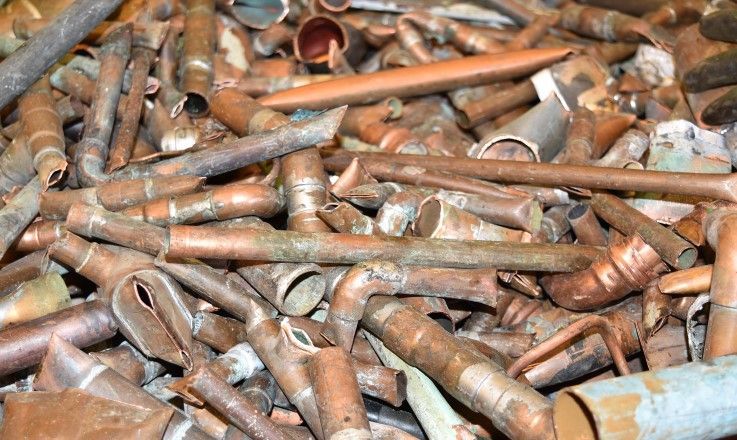
Loose metal and retired equipment can arrive in the same load but require different assessments. Copper tubing, for example, is relatively straightforward to identify, while a complete piece of equipment may contain steel, wiring, motors, insulation and other components.
An item’s original purchase price does not determine its scrap value. Instead, that value depends on the recoverable materials, how they are classified and their condition when delivered.
Complete Equipment Needs More Than a General Description
A description such as “old machinery” leaves important questions open. Dimensions, approximate weight, photographs and information about attached components help establish what the receiving facility needs to review.
Equipment with residual fluids, batteries or sealed components may require specific preparation or a separate handling decision. Acceptance needs to be confirmed for the actual item rather than assumed from its metal exterior.
CLEAR IDENTIFICATION MAKES LOOSE SCRAP EASIER TO ASSESS
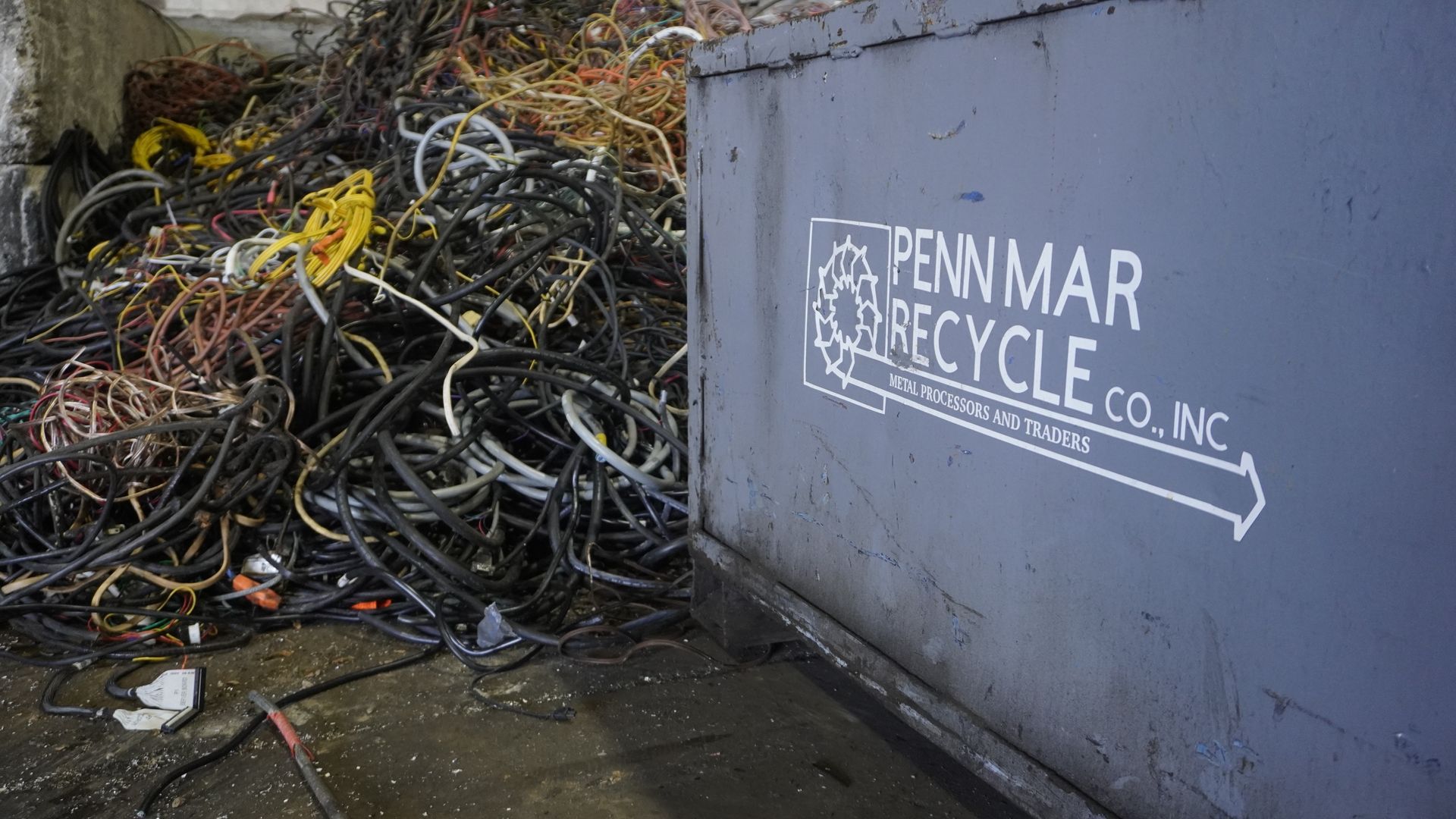
Steel shelving, aluminum offcuts, copper tubing and insulated wire belong to different scrap categories. Keeping these materials clearly identified makes the load easier to assess.
This is especially helpful during a facility cleanout, when scrap from maintenance work, storage areas and past projects comes together in one load.
Mixed Loads Can Retain Distinct Material Categories
A mixed commercial load does not need to lose the identity of its individual materials. Separate containers for smaller pieces, clearly grouped metal and accessible equipment information can help preserve those distinctions during transport and review.
The practical objective is organized presentation. A collection of brass fittings can remain identifiable alongside a larger steel load, while insulated cable can be reviewed separately from bare copper.
Attached materials affect classification
Paint, insulation, solder and attached components can influence how scrap is classified. Two pieces that appear similar may receive different evaluations because their composition or preparation differs.
An assembled item may also be assessed differently from loose, separated metal. Any preparation effort needs to be considered alongside safe handling and the receiving facility’s requirements.
Uncertain Materials Need Their Own Review
Some equipment parts and mixed-metal assemblies are difficult to identify visually. Photographs and a description of their original use can give the recycling team useful context.
A material review provides a stronger basis for the delivery discussion than an assumed grade or price. It also helps distinguish accepted scrap from items requiring another recycling or disposal route.
Drop-Off Planning Connects the Load to the Receiving Facility
Planning a commercial scrap metal drop-off in Glen Burnie means considering both the materials and how they will arrive. A manageable load of loose scrap requires different handling than a trailer carrying bulky equipment.
The local facility lists commercial and retail recycling, along with material identification, among its services. These services provide a starting point for discussing the load, but they do not automatically mean the facility can accommodate equipment of every size or configuration, or fulfill every unloading request.
The vehicle type, the dimensions of individual pieces and the placement of heavy items can all affect delivery arrangements. Unusually large equipment requires particular attention before transportation is arranged.
For a business fitting a recycling trip into its regular operations, resolving these details helps ensure the trip is planned around available staff, vehicle capacity and the facility’s handling capabilities.
Which Materials in Your Mixed Load Are Ready for Recycling?
Talk with Penn-Mar
Recycling about your materials to discuss accepted metals, equipment preparation and a practical plan for your load.
Delivery Readiness Begins With the Equipment’s Status
A piece of equipment can be ready to leave storage without being ready for delivery as scrap. Internal approval, professional disconnection and confirmation of material acceptance are separate parts of the process.
For commercial operations, that distinction helps keep recycling aligned with the business’s equipment-management decisions. It also gives the receiving team a more accurate picture of what is being delivered.
Retired Equipment and Operating Equipment Are Different
Equipment still connected to electrical, mechanical or other building systems requires appropriate professional attention before removal. Scrap recycling is a later stage, once the item’s condition and preparation requirements are established.
The recycling discussion concerns the material presented for acceptance. Disconnection, dismantling or removal from the building should not be assumed to be part of a drop-off service.
The Load Description Needs to Match the Delivery
A preliminary discussion is most useful when it reflects the actual shipment. Additional equipment, unidentified containers or a substantial change in quantity may raise additional questions about handling.
An accurate description supports a more organized arrival and helps the business understand which items have been reviewed and which still need confirmation.
Scrap Value Follows Classification, Weight and Current Markets
The economic value of a commercial load depends on its materials rather than its overall appearance or bulk. A large steel item and a smaller quantity of copper may contribute differently to the total.
Metal type, grade, condition, weight and current market pricing all influence evaluation. Mixed loads therefore benefit from a discussion that recognizes their separate material categories.
Clear identification helps connect the payment assessment to what the business actually delivers. It does not guarantee a particular grade, rate or return.
A current quote provides a more useful planning reference than an older transaction or a general online price. Final valuation depends on the material received and its assessment at the facility.
An Organized Drop-Off Supports the Business Behind the Load
For a Glen Burnie business, scrap recycling can recover value while returning storage, maintenance or work areas to productive use. The strongest plan accounts for both outcomes.
Material identification helps with evaluation. Equipment information helps the receiving team assess whether items can be accepted. Delivery coordination helps match the load to the receiving facility’s capabilities.
At Penn-Mar Recycling, we help businesses discuss these factors without treating every commercial load as the same project. A clear description of the shipment provides a practical starting point for the conversation and helps businesses make a more informed decision about drop-off or another available service.
Ready to Make Room at Your Business and Recover Value From Scrap?
Contact Penn-Mar Recycling to discuss current pricing and confirm the receiving location and drop-off arrangements for your Glen Burnie load.
RELATED SCRAP METAL DROP-OFF AND COMMERCIAL RECYCLING RESOURCES