How to recycle scrap from HVAC and mechanical system replacements in York
Fall maintenance and equipment replacement can generate more recyclable metal than many York contractors and facility teams expect. Removed tubing, radiators, motors, compressors, valves, fittings and equipment housings can quickly occupy valuable space in a truck, shop or mechanical room.
These materials should not automatically be treated as one mixed waste load. HVAC and mechanical equipment can contain copper, brass, aluminum, steel and other recoverable metals that may be evaluated differently during recycling.
Penn-Mar Recycle helps contractors, maintenance departments and commercial operations organize qualifying materials through public drop-off, commercial recycling, mobile pickup and roll-off container options.
The best service depends on what material was removed, how much was generated and whether the scrap comes from one replacement project or ongoing service work.
Why fall equipment work creates a recycling opportunity
Heating-system inspections and replacements often increase before colder weather arrives. Commercial facilities may also schedule mechanical upgrades during planned shutdowns or before year-end budgets close.
A single service call might produce only a short length of tubing or one damaged motor. Across multiple projects, however, those materials can accumulate into a meaningful recycling load.
Creating a process before the work begins helps prevent valuable scrap from becoming mixed with packaging, demolition debris or ordinary waste.
For companies handling recurring material, recycling can also become part of the normal project workflow rather than a cleanup problem addressed only when storage space runs out.
Identify the metal before combining equipment
HVAC and mechanical equipment rarely consists of one material. A removed assembly may include copper tubing, aluminum fins, brass valves, steel housings, insulated wire and electric motors.
Contractors do not need to identify every alloy at the job site. The practical goal is to keep visibly different material groups accessible and prevent recyclable metal from being buried beneath unrelated debris.
Copper tubing and coils
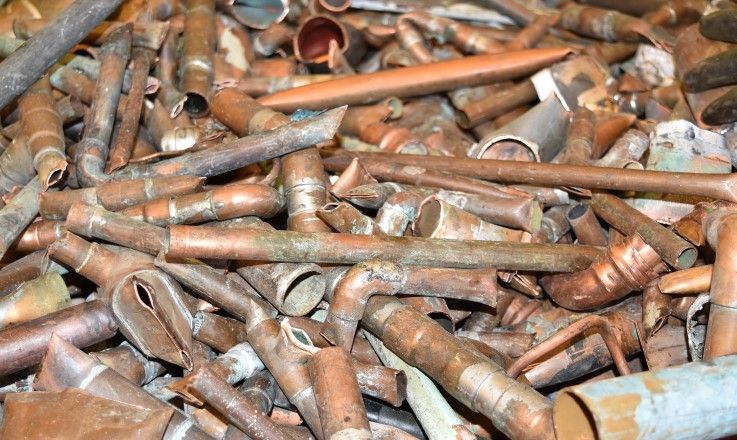
Copper is frequently recovered from refrigerant lines, plumbing connections, heating components and mechanical equipment.
Clean tubing should remain separate from steel, aluminum and general demolition material when possible. Copper with solder, paint or attachments may be evaluated differently from cleaner material, so contractors should avoid assuming that every piece belongs in the same category.
Penn-Mar’s copper recycling information explains common sources of copper from plumbing, electrical and HVAC work.
Brass valves and fittings
Brass may be found in valves, couplings, connectors and other control components. These smaller items can easily disappear into a mixed steel pile or job-site dumpster.
Keeping brass in a dedicated bucket or durable container makes it easier to transport and evaluate. Penn-Mar provides additional information about accepted brass recycling materials.
Aluminum components
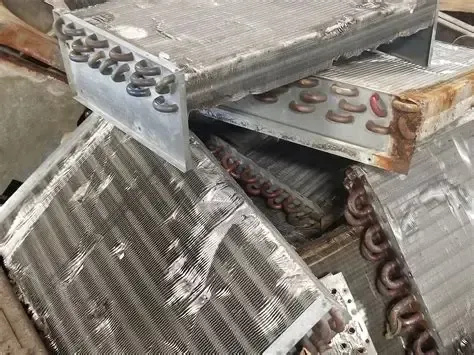
Aluminum can appear in fins, housings, radiators, frames and other equipment components. Some pieces may contain steel fasteners or remain connected to another metal.
Customers should keep clearly identifiable aluminum separate when practical, but they should not dismantle equipment in ways that create safety concerns merely to produce a cleaner category.
The company’s aluminum recycling guide outlines common aluminum materials and basic preparation considerations.
Handle refrigerant-containing equipment correctly
Mechanical equipment may contain refrigerants, oils or other substances that require appropriate handling before the metal can be recycled.
Refrigerant should be recovered by a qualified professional using the proper procedures. Contractors and property owners should not cut into sealed components or release refrigerant to make equipment easier to transport.
Penn-Mar accepts certain sealed refrigeration units and related components, but its materials guidance states that refrigerants must be properly drained before drop-off.
When there is uncertainty about a chiller, compressor, sealed unit or other mechanical component, contact Penn-Mar before loading it. Photographs and equipment information can help the recycling team determine whether the material is accepted and what preparation is required.
Review Penn-Mar’s specialty and mechanical metals page for information about compressors, motors, chillers and other equipment-related materials.
Keep electric motors and insulated wire accessible
Electric motors can contain copper windings, steel and other recoverable materials. Removed wiring may also vary according to copper content and insulation type.
These materials should remain visible rather than being placed underneath heavy steel or mixed equipment. Motors can be grouped together, while insulated wire can be stored in a separate container.
There is no need to open motors or dismantle electrical assemblies unless the contractor is qualified to do so and the work is already part of the approved project.
Longer wire can be loosely coiled to reduce tangling. Shorter pieces can be placed in a sturdy bin so they remain together during loading and unloading.
Penn-Mar’s insulated wire recycling page provides more information about common cable and wiring categories generated by electrical, HVAC and maintenance work.
Decide whether drop-off or pickup fits the load
The appropriate recycling method depends on the material, volume and frequency of service.
Public and commercial drop-off
A contractor completing occasional equipment replacements may prefer to transport sorted material to the recycling center.
Penn-Mar’s Shrewsbury facility serves York-area homeowners, trades and businesses. Materials are reviewed, weighed and paid according to their type, weight and current market conditions.
Before traveling, confirm that unusual equipment is accepted and that refrigerants or other regulated substances have been handled correctly. Learn more about scrap metal recycling in York, PA and the nearby recycling options available through Penn-Mar.
Mobile pickup for qualifying nonferrous loads
For larger quantities of copper, aluminum, brass, stainless steel or other qualifying nonferrous material, mobile pickup may reduce the need for repeated trips.
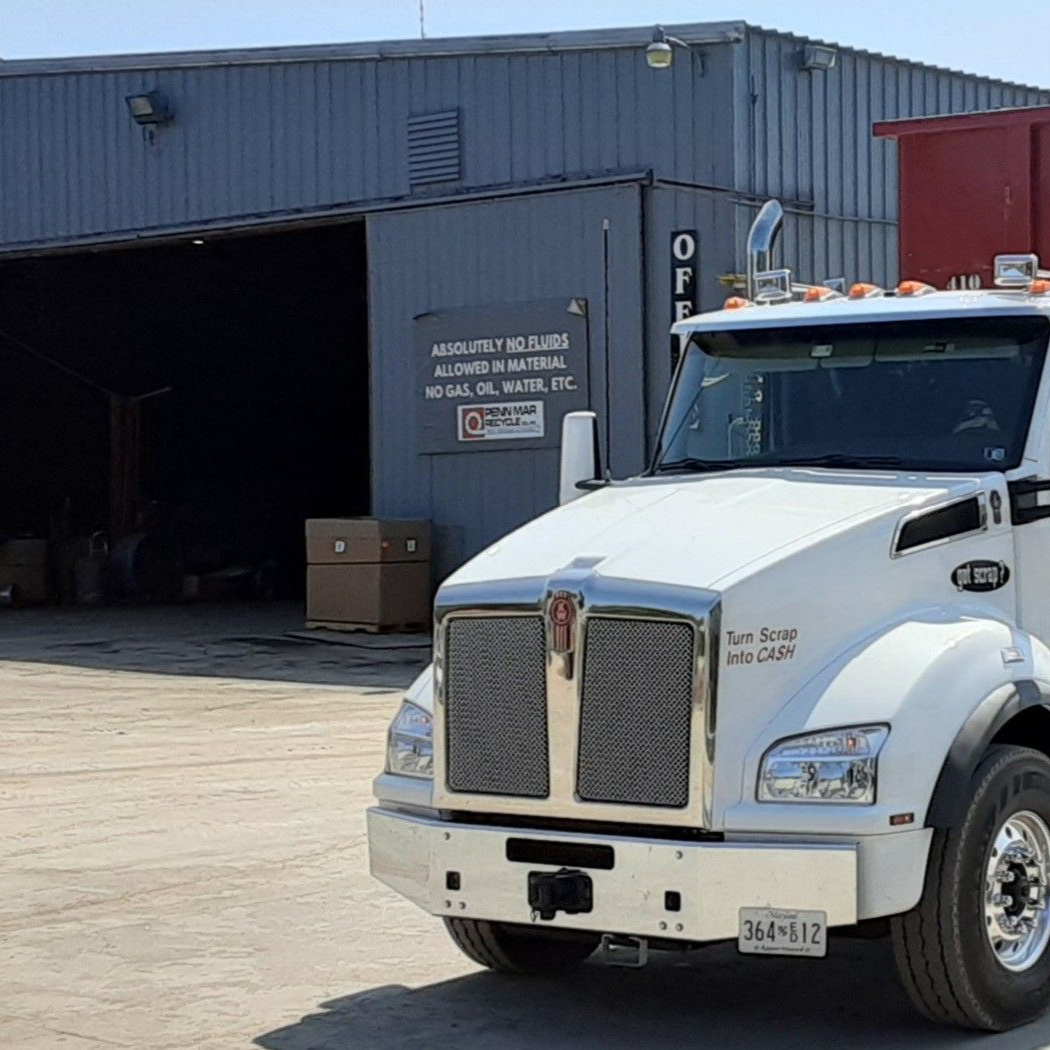
Penn-Mar’s box truck service can provide on-site weighing with a state-certified mobile scale and same-day payment. Availability depends on the type, quantity and location of the material.
Review the company’s mobile scrap pickup service before requesting collection.
Roll-off containers for higher-volume projects
A roll-off container may be appropriate when a replacement program generates larger quantities of metal over several days or phases.
The container is intended for qualifying metal scrap rather than ordinary construction trash. Material requirements, placement, access and pickup timing should be confirmed before delivery.
Penn-Mar offers roll-off recycling containers for qualifying commercial, construction and industrial projects.
Planning an HVAC replacement, mechanical upgrade or facility cleanout in York?
Contact Penn-Mar Recycle to confirm your materials, estimated volume and the recycling option that fits your project.
Set up a sorting area before removal begins
A recycling plan works best when the crew knows where each material should go before equipment is removed.
The project may need designated containers for copper tubing, brass fittings, insulated wire, aluminum and small mixed components. Larger motors or equipment assemblies can remain in a separate area for evaluation.
The sorting area should not obstruct exits, loading routes or normal operations. It must also be suitable for the weight of the material being stored.
Keep general waste, insulation, filters, packaging and nonmetal debris outside the recycling containers. Mixing unrelated material can slow loading and make the scrap more difficult to evaluate.
Penn-Mar can provide bins, boxes, hoppers or drums for qualifying commercial recycling arrangements, depending on the materials and service plan.
Plan around truck and loading access
Pickup service requires more than collecting the metal in one place. The truck needs a safe and practical route to the loading area.
Before scheduling service, evaluate gate widths, overhead clearance, parked vehicles, loading docks and turning space. Seasonal rain can also soften unpaved surfaces, particularly around rear mechanical areas or storage yards.
The material should be positioned where it can be reached without moving through active pedestrian or customer areas whenever possible. If the property has restricted delivery hours or security procedures, provide those instructions before confirming the pickup date.
Create a recurring process for service vehicles and shops
HVAC and mechanical contractors often generate scrap across multiple smaller jobs rather than one large project.
Without a consistent process, tubing, motors and fittings may accumulate in vans or become mixed with ordinary waste. A simple company-wide system can make recycling easier.
Crews can return material to clearly labeled shop containers at the end of each project. A designated team member can monitor the volume and contact Penn-Mar when the load is ready for drop-off or pickup.
The company should also define which materials remain with the customer, which are removed under the service agreement and how removed equipment is documented.
For businesses generating scrap regularly, Penn-Mar provides commercial metal recycling services with on-demand or scheduled service and recycling programs based on operational needs.
Confirm what affects scrap value
Scrap prices are not fixed permanently. Payment can vary according to the metal type, grade, weight and current market conditions.
Keeping clearly different materials separated can make the load easier to evaluate, but separation does not guarantee a particular price. Coatings, attachments, contamination and mixed-metal construction can affect classification.
The best approach is to contact Penn-Mar for current information rather than relying on an older online price or an estimate from a previous project. Photographs can help the team understand what material is present, especially when the load includes complete equipment or unfamiliar components.
Prepare the load safely
Mechanical scrap can be heavy, sharp and difficult to handle. Workers should use appropriate equipment and procedures for the material involved.
Do not overload buckets or containers beyond what the crew can move safely. Secure tubing, wire and loose components so they do not shift during transportation.
Large equipment should remain stable and accessible for unloading. Do not place small, higher-value nonferrous materials beneath heavy steel assemblies where they cannot be seen or reached.
Any fluid, refrigerant or other regulated material must be handled appropriately before recycling. When in doubt, contact the recycling center before transporting the item.
Build recycling into the mechanical project timeline
Waiting until the final day to discuss scrap can create unnecessary delays. Recycling should be considered during project planning, especially when a facility is replacing several units or completing work in phases.
The contractor or facility manager should confirm:
- Which removed materials will be recycled
- Where they will be stored temporarily
- Who is responsible for material preparation
These decisions help keep the work area organized and prevent recyclable metal from competing with new equipment, tools and project deliveries.
Recycle HVAC and mechanical scrap near York with Penn-Mar
Mechanical system replacements can generate copper, brass, aluminum, steel, motors, compressors and insulated wire. Separating these materials from general project waste makes them easier to identify, transport and recycle.
Penn-Mar Recycle supports York contractors, HVAC companies, maintenance teams and commercial facilities with public drop-off, customized commercial programs, mobile pickup and roll-off containers.
Related metal recycling resources