Glen Burnie roll-off containers: A planning timeline from consultation to completion
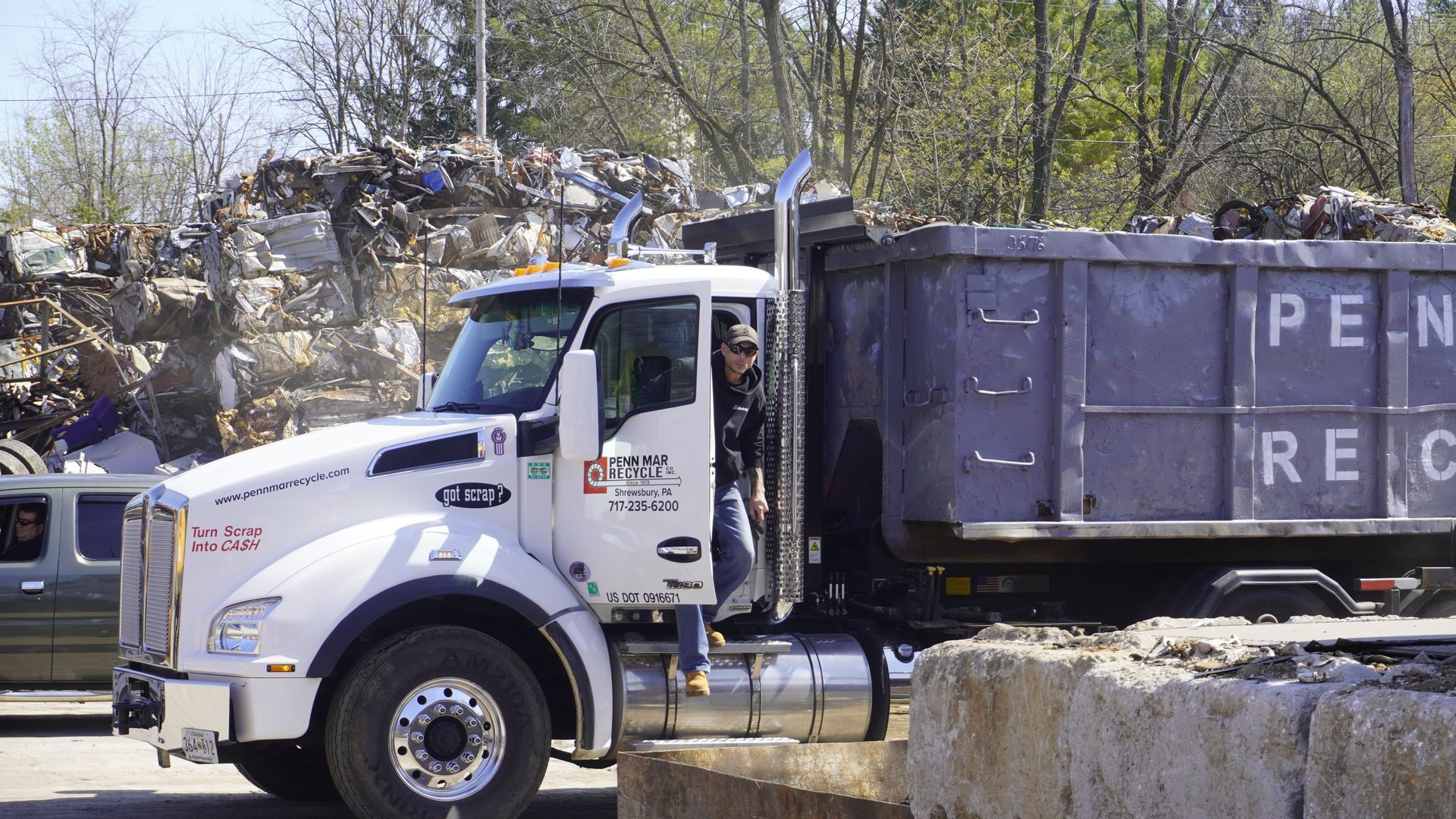
A roll-off container can give a contractor, commercial property, or industrial facility a designated place to collect recyclable metal. However, arranging the service involves more than selecting a delivery date.
The recycling company must understand the materials, estimated volume, project schedule, proposed container location, and pickup requirements. Planning these details early helps the business choose an appropriate service and avoid disruptions after the container arrives.
For companies researching roll-off containers in Glen Burnie, MD, this timeline explains the decisions that should be made between the initial consultation and final pickup.
Start by identifying the materials
The first step is confirming what the business or project will generate. Penn Mar Recycle’s roll-off recycling containers are intended for metal materials rather than general construction waste.
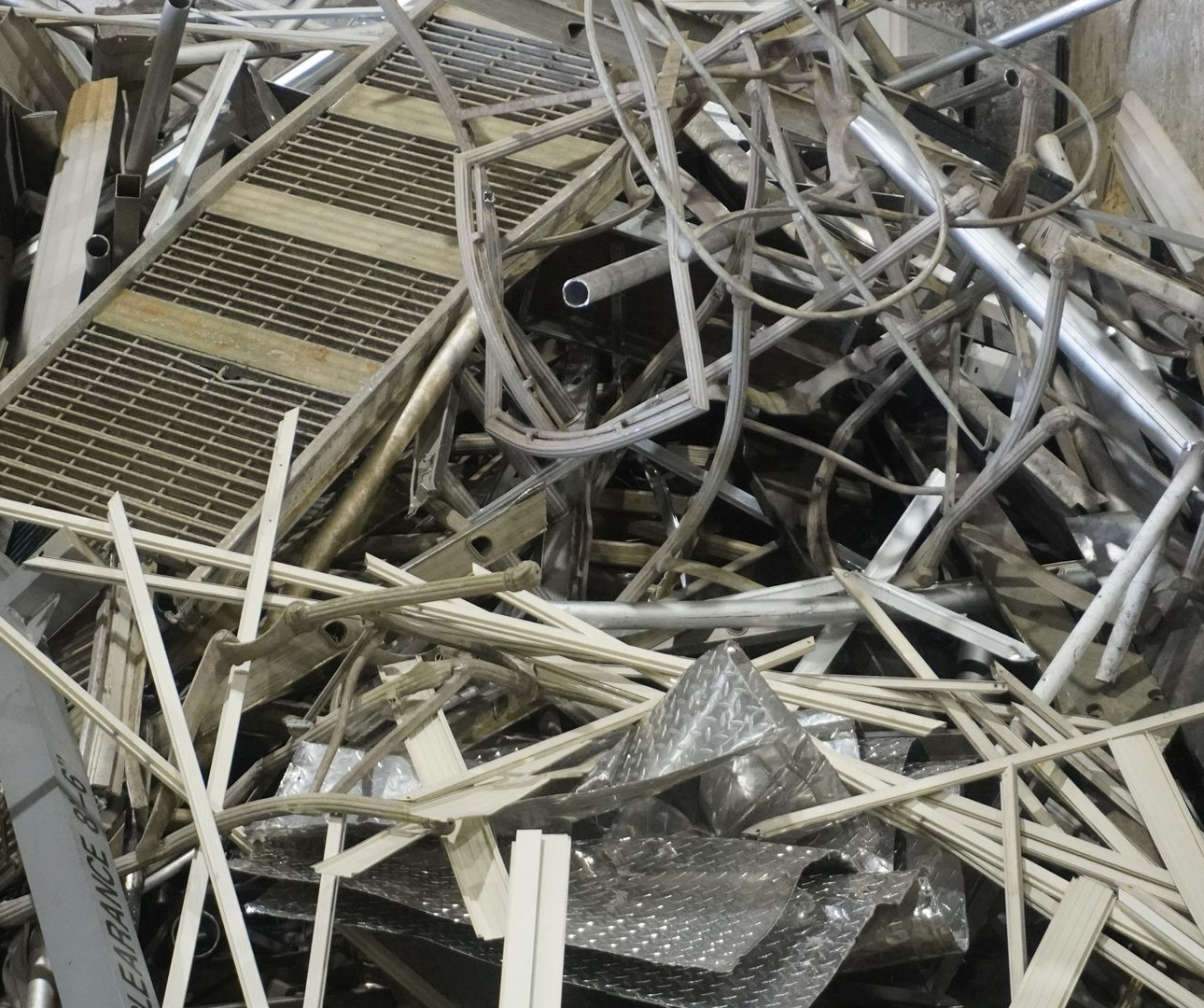
Provide a practical description of the expected scrap. This might include structural steel, metal equipment, fabrication cutoffs, pipe, machinery components, or recyclable material from a demolition project.
Confirm mixed or unfamiliar material
Some projects produce metal attached to plastic, rubber, wood, insulation, or other components. Older equipment may also contain fluids or materials that require additional review. Do not assume that every item can be placed in the container. Describe unfamiliar materials during the consultation and send photographs when necessary. This allows the recycling team to confirm what can be accepted and whether any preparation is required.
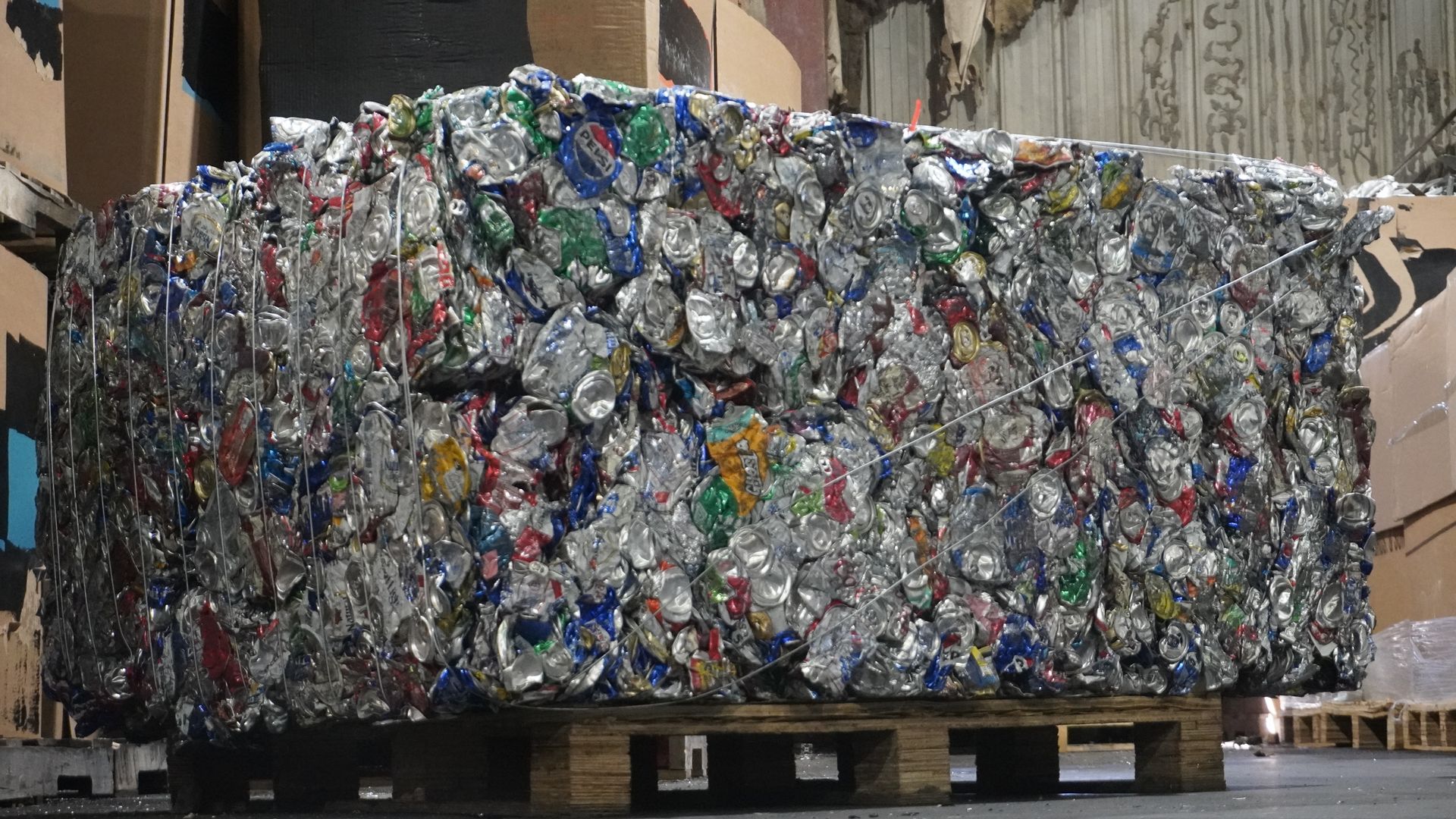
The initial material review can also reveal that a roll-off container is not the most suitable option. Smaller quantities of qualifying nonferrous metal may be better managed through mobile scrap pickup.
Estimate the volume and project schedule
The next planning decision is how much scrap the project is expected to produce and how quickly it will accumulate. A contractor completing a short demolition project may generate most of the material within several days. A manufacturing facility may fill a container more gradually through regular production. These situations require different delivery and pickup schedules.
Exact weights are not always available before a project begins. Photographs, previous project records, equipment lists, estimated dimensions, or a description of the work can still help the recycling company understand the likely volume.
Mention important project milestones during the consultation. Start dates, demolition phases, site closures, delivery restrictions, and completion deadlines can all affect when the container should arrive and when it needs to be removed.
Decide where the container will be placed
The proposed location should work for the people loading the container and the vehicle delivering it.
Review the available space
The placement area must provide enough room for delivery, collection, and normal site activity. Consider gates, overhead obstacles, parked vehicles, loading docks, utility lines, landscaping, and other equipment. The container should not block emergency access, customer entrances, employee parking, or construction routes. If the property has limited space, photographs of the proposed area can help determine whether additional planning is needed.
Check the placement surface
The condition of the surface may influence the setup. Explain whether the proposed location is paved, gravel, compacted ground, or another material.
Property representatives should also identify any site rules or access requirements. A leased property, managed commercial facility, or active construction site may require approval before a container can be delivered.
Confirm the service plan before delivery
Before setting the delivery date, review what has been approved and who will manage the service.
The confirmation should identify the accepted materials, proposed placement area, delivery instructions, primary contact, and expected pickup method. It should also explain how the business will request collection if the container fills earlier than expected.
Choose one authorized site contact whenever possible. That person can coordinate access, communicate schedule changes, and ask questions if unexpected material appears during the project.
Planning a metal recycling project in Glen Burnie?
Contact Penn Mar Recycle to confirm your materials, anticipated volume, container location, and project schedule.
Prepare the site for delivery
The placement area should be accessible before the delivery vehicle arrives. Move vehicles, portable equipment, stored materials, and other obstacles away from the designated space. Make sure employees, tenants, subcontractors, or property managers know that the container is being delivered. If entry requires a gate code, appointment, escort, or designated access route, communicate those details in advance.
The person responsible for the project should be available on delivery day or provide clear instructions. A last-minute change in placement can affect access and may require the service plan to be reviewed again.
Manage the container during the project
Once the container is in place, employees and contractors should understand what belongs inside it. Avoid treating the recycling container like a general dumpster. Trash, wood, concrete, and other unrelated debris can interfere with metal recycling and create additional handling requirements.
Monitor the loading process
The project contact should periodically check the container and surrounding area. Material should remain within the container rather than accumulating beside it or extending beyond its safe loading area. Heavy or irregular pieces may require additional planning. If equipment is being used to load the container, the operator should follow the approved site procedure and avoid damaging the container or surrounding property.
Contact the recycling provider before adding material that differs substantially from the original description. This is especially important when concealed project conditions reveal unexpected equipment, mixed debris, or unfamiliar components.
Track how quickly the container fills
The original pickup schedule may need to change once the project begins. Faster production, weather interruptions, demolition delays, or changes in the project scope can affect the timeline.
Monitor the remaining capacity instead of waiting until the container can no longer support normal work. Early communication gives the recycling company more time to coordinate pickup, replacement, or another service adjustment.
Schedule pickup around the next project phase
Pickup should be coordinated with the actual project schedule rather than an assumed completion date. Before requesting removal, confirm that all approved metal has been loaded and that access remains clear. Remove parked vehicles, equipment, or stored materials that could prevent the collection vehicle from reaching the container.
If the project will continue producing scrap, determine whether the full container should be replaced with an empty one. Facilities with recurring metal volume may need a regular service schedule, while temporary projects may only require final removal.
Businesses that generate smaller loads of nonferrous material after the roll-off phase can ask whether mobile pickup provides a better option for the remaining scrap.
Review weighing, payment, and project records
After collection, the metal is transported for weighing and processing. The company should know which authorized person will receive the related weight, payment, or service information.
Keep the original service agreement, approved changes, material documentation, weight records, and payment information together. These records can help the business evaluate the completed project and estimate future recycling needs.
If the company expects to request another container, note whether the original size, placement, and collection schedule worked effectively. That information can make the next setup more efficient.
Frequently asked questions about roll-off containers
Can a roll-off recycling container hold general construction debris?
Penn Mar Recycle’s roll-off containers are intended for metal recycling. Businesses should confirm the specific materials before delivery and use a separate waste solution for unrelated debris.
How far in advance should delivery be planned?
The appropriate lead time depends on the project, material volume, site access, and scheduling availability. Contact the recycling provider once the project dates and proposed placement area are known.
Is mobile pickup an alternative to a roll-off container?
It can be appropriate for larger quantities of qualifying nonferrous materials when a full roll-off container is unnecessary. The recycling team should review the material and quantity before recommending a service.
What happens if the container fills earlier than expected?
Contact the recycling provider before it becomes overfilled. Depending on the project, the service may involve pickup, container replacement, or a revised schedule.
Plan roll-off container service in Glen Burnie
A successful roll-off project begins with material confirmation and continues through site preparation, responsible loading, timely communication, and coordinated pickup. Establishing these decisions before delivery makes it easier to keep recyclable metal organized without interfering with daily operations.
Penn Mar Recycle provides metal recycling services through its Glen Burnie location, serving commercial and individual customers throughout Anne Arundel County.