How Ferrous and Non-Ferrous Sorting Changes the Scrap Recycling Process
How Ferrous and Non-Ferrous Sorting Changes the Scrap Recycling Process
Metal recycling becomes easier when customers understand one simple difference before they load the truck: some metals are ferrous, and others are non-ferrous. For homeowners, contractors, farms, and shops around Shrewsbury, PA, that difference can affect how scrap is sorted, reviewed, and handled at the recycling center.
Ferrous metals usually contain iron and are often magnetic. Steel recycling commonly falls into this category. Non-ferrous metals, such as aluminum and copper, are usually not magnetic and should be kept separate when practical. Customers do not need to identify every piece perfectly, but a little sorting before drop-off can make the visit smoother.
Penn Mar Recycle helps customers in South Central Pennsylvania bring in scrap metal, ask questions about material types, and understand how cleaner loads can support a better recycling process.
Where Sorting Usually Begins
Sorting often starts where scrap first piles up. For a homeowner, that may be a garage after a remodeling project. For a contractor, it may be a jobsite cleanup area. For a farm or shop, it may be the corner where old equipment parts, frames, wire, and pipe collect over time.
The first step is simple: use a magnet when possible. If the magnet sticks, the item is likely steel or iron. If it does not stick, it may be aluminum, copper, brass, stainless steel, or another non-ferrous material.
This basic habit can prevent lighter or higher-value materials from getting buried under heavy steel. Customers who want a broader explanation of the difference can also review the related blog on understanding ferrous and non-ferrous metals.
Why Ferrous Metal Is Usually Handled Separately
Ferrous scrap is common in heavy loads because steel and iron show up in equipment, construction material, machinery, and farm cleanup. Around South Central Pennsylvania, this may include trailer frames, shelving, beams, repair parts, and structural scrap from contractor yards.
Steel recycling often depends heavily on weight and volume. That is why large steel pieces are usually grouped together before drop-off or pickup. When steel is mixed with aluminum or copper, those non-ferrous metals can be harder to identify and review.
A cleaner steel load does not need to look perfect. It simply helps if obvious trash, wood, plastic, and unrelated metals are kept out when practical. Customers with mostly steel material can learn more about steel recycling options before bringing scrap to Penn Mar Recycle.
Why Non-Ferrous Metals Need Their Own Space
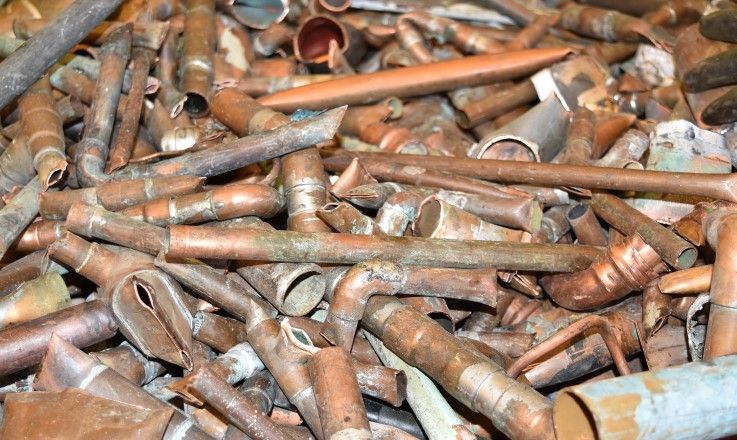
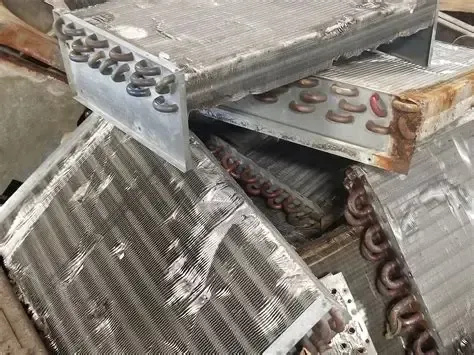
Non-ferrous metals are often smaller, lighter, or easier to overlook during cleanup. Aluminum recycling may involve siding, frames, gutters, shop cutoffs, or equipment panels. Copper recycling may involve wire, pipe, tubing, or fittings from electrical, plumbing, or HVAC work.
These materials should not be treated like general debris. A bucket of copper wire or a stack of aluminum trim can get lost quickly if it is tossed into a mixed pile. Keeping non-ferrous metals visible helps customers ask better questions and helps the recycling team review the material more efficiently.
Penn Mar Recycle does not rely on one general materials page. Instead, customers can review material-specific recycling information, such as aluminum recycling services or copper recycling guidance , depending on what they have.
How Sorting Makes the Facility Visit Easier
A better recycling visit often starts before the customer arrives. When metal is grouped clearly, unloading is more organized and the review process is easier to follow. This can be especially helpful for customers visiting Penn Mar Recycle after a project, cleanout, or jobsite cleanup near Shrewsbury.
For example, a contractor may keep steel pieces in one area of the trailer and aluminum trim in another. A homeowner may place copper pipe in a bucket instead of mixing it with broken fixtures. A shop may collect non-ferrous scrap in a labeled bin until there is enough material for a recycling run.
This kind of sorting also helps customers avoid extra handling later. Instead of digging through a mixed pile at the recycling center, they arrive with material already separated enough to make the process more efficient.
When a Mixed Load Still Needs Review
Not every load will be perfectly sorted. Some scrap comes attached to equipment. Some material is old, painted, dirty, or hard to identify. That is normal, especially with farm cleanouts, shop waste, and contractor debris.
If the load includes unknown metal, customers should not let that stop the recycling process. The better choice is to keep questionable items together and ask Penn Mar Recycle for guidance. A material that looks like steel may not always belong with steel, and a non-magnetic item may need closer review before it is classified.
This is where local support matters. Customers in Shrewsbury and nearby South Central Pennsylvania communities can contact Penn Mar Recycle before hauling a larger or confusing load. That quick step can help avoid unnecessary trips and make the visit easier.
Preparing Scrap Before Drop-Off or Pickup
Preparation should focus on safety, access, and basic separation. Start by grouping obvious steel or iron apart from lighter non-ferrous materials. Keep copper, aluminum, brass, and stainless steel separate when practical, especially if those materials are easy to identify.
Large or heavy scrap should be placed where it can be loaded and unloaded safely. Smaller materials should be stored in buckets or bins so they do not scatter. If the project involves ongoing contractor scrap, recurring shop material, or heavier farm cleanup, Penn Mar Recycle can help customers decide whether drop-off, pickup, or another service option makes more sense.
If you are sorting a mixed metal load after a cleanup, project, or repair, contact Penn Mar Recycle to ask how to prepare your material before visiting the recycling center.
Ferrous and non-ferrous sorting does not need to be complicated. A magnet test, a few separate containers, and a cleaner loading plan can make scrap metal recycling easier for homeowners, farms, shops, and contractors.