Why Electricians Should Recycle Copper Wire Instead of Throwing It Away
Copper Recycling helps electricians turn leftover wire into material that still has value. After panel upgrades, rewiring projects, fixture installs, service changes, or demolition work, small copper pieces can collect quickly in buckets, vans, and shop bins.
For one job, a handful of wire ends may not feel important. Across several projects, that same material can become a steady recycling opportunity.
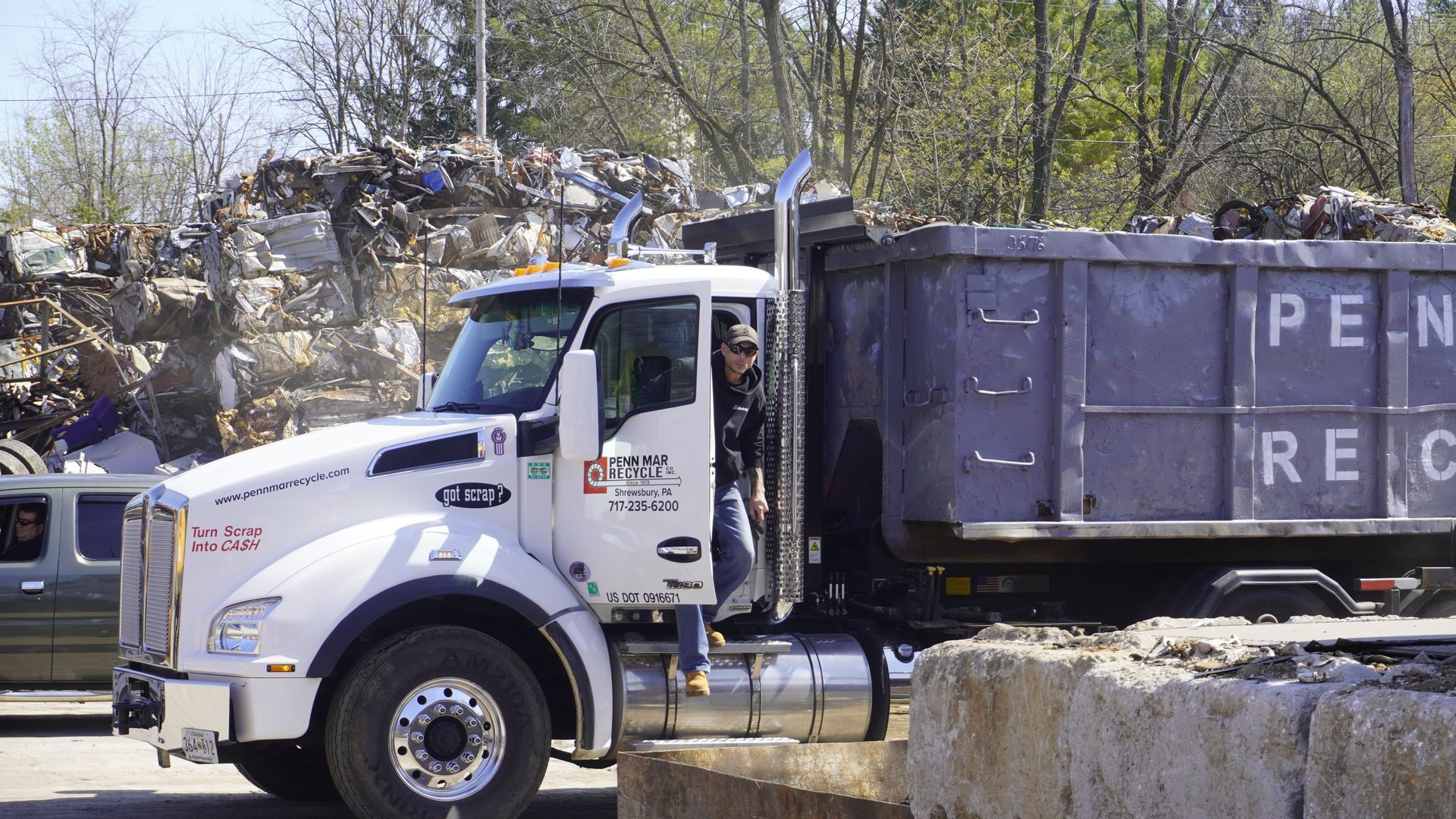
Penn Mar Recycle helps electricians keep copper out of the trash through
drop-off and
commercial recycling options that fit the size of the load.
Where Copper Wire Builds Up on Electrical Jobs
Scrap wire often comes from routine electrical work, not just large projects. It may be new wire left after cutting material to length, or old wire removed during upgrades and renovation work. In both cases, the material should be separated before it disappears into job site trash.
Common sources include:
- Panel upgrades and service changes
- Residential rewiring projects
- Commercial buildouts
- Lighting and fixture replacements
- Renovation or demolition work
The most useful habit is simple: keep copper visible. A small bucket in the van or a labeled bin at the shop can stop scrap wire from getting mixed with packaging, drywall debris, or general cleanup material. That makes scrap wire recycling easier when it is time to bring material in.
How Electricians Can Sort Wire Before Recycling
Sorting should be easy enough for crews to follow during a normal workday. The goal is not to slow down the job. The goal is to prevent copper wire from getting mixed with trash, steel, plastic debris, or other materials that make the load harder to review.
Simple Wire Sorting Guide
| Material Type | Best Handling Step | Why It Helps |
|---|---|---|
| Bare copper wire | Keep it separate | Easier to identify and review |
| Insulated wire | Place it in a dedicated bin | Supports cleaner insulated wire recycling |
| Small wire ends | Save them in a bucket | Small pieces add up over time |
| Mixed electrical scrap | Separate wire when practical | Makes drop-off easier |
| Larger contractor loads | Ask about service options | Helps manage recurring material |
A solo electrician may only need one container for wire. A larger contractor may use separate bins at the shop so crews can unload scrap at the end of the day. Penn Mar Recycle can review the material when it is brought in and help customers understand how different wire types may be handled.
What Affects Copper Scrap Value
Copper scrap value can vary based on wire type, total weight, insulation, cleanliness, and market conditions. Bare copper is often reviewed differently from insulated wire. A clean container of sorted material is also easier to evaluate than a mixed pile with trash or unrelated metals.
Electricians do not need to overthink every small piece. The main goal is to keep copper separate from job site waste. When copper is buried under debris, it becomes harder to recover and easier to lose.
Value may be affected by:
- Whether the wire is bare or insulated
- Total weight of the load
- Amount of attached insulation
- How clean the material is
- Current copper market demand
For contractors, consistency matters. Collecting wire after every project is usually better than trying to recover it later from dumpsters, floor piles, or mixed shop bins.
Drop-Off or Commercial Recycling: Which Option Makes Sense?
Not every electrician needs the same recycling setup. A solo electrician with occasional scrap wire may only need public drop-off. A company with multiple crews, recurring service calls, or commercial projects may benefit from a more organized commercial metal recycling routine.
Drop-off usually works well when the material fits in a truck, van, or small shop bin. Commercial recycling makes more sense when scrap wire builds up often enough that crews need a consistent place to collect, sort, and recycle it.
Penn Mar Recycle can help customers choose the practical option based on volume, frequency, and how the scrap is handled. The goal is simple: keep copper wire separate, make recycling easy for the crew, and avoid losing copper scrap value in general job site debris.
How Penn Mar Recycle Helps Electricians Recycle Copper Wire
Penn Mar Recycle gives electricians a practical place to bring copper wire, get it weighed, and keep recyclable metal out of the waste stream. For small or occasional loads, public drop-off is often the easiest choice. Customers can bring wire in, have it reviewed, and receive payment for eligible material.
For businesses that generate scrap wire regularly, Penn Mar Recycle can support a more consistent recycling routine. That may include guidance on separating wire, organizing shop bins, or discussing commercial recycling options.
Before bringing wire in, keep the process simple: collect copper separately, avoid mixing it with trash, and keep other metals apart when possible.
Bring your copper wire and electrical scrap to Penn Mar Recycle for drop-off, weighing, and payment, or ask about commercial recycling options for recurring scrap wire.
FAQs About Copper Recycling for Electricians
Can electricians recycle insulated copper wire?
Yes, insulated wire recycling is common. The value may depend on wire type, copper content, insulation, weight, and sorting.
Does scrap wire need to be stripped before recycling?
Not always. Some customers recycle insulated wire as-is, while others separate bare copper when practical. Penn Mar Recycle can review the material and explain how it may be classified.
Why should electrical contractors recycle copper wire regularly?
Regular recycling helps contractors keep job sites cleaner, protect copper scrap value, and create a better system for leftover wire from ongoing work.