Copper Recycling for Electricians, HVAC Shops, and Plumbing Contractors
Copper recycling Pennsylvania services can help trade contractors turn leftover job materials into a more organized recycling routine. Electricians, HVAC shops, and plumbing contractors often handle copper during repairs, replacements, remodels, and service work. When scrap copper is separated instead of tossed into general debris, it can be easier to recycle and may help protect material value.
For many contractors, copper does not show up as one large pile. It builds slowly through wire ends, removed tubing, old fittings, equipment parts, and shop leftovers. A few pieces from one job may not seem important, but recurring trade work can create steady copper scrap over time.
Penn Mar Recycle helps contractors bring in copper materials, understand how they may be reviewed, and choose practical recycling options for occasional drop-off or recurring commercial recycling needs.
Where Copper Comes From in Trade Work
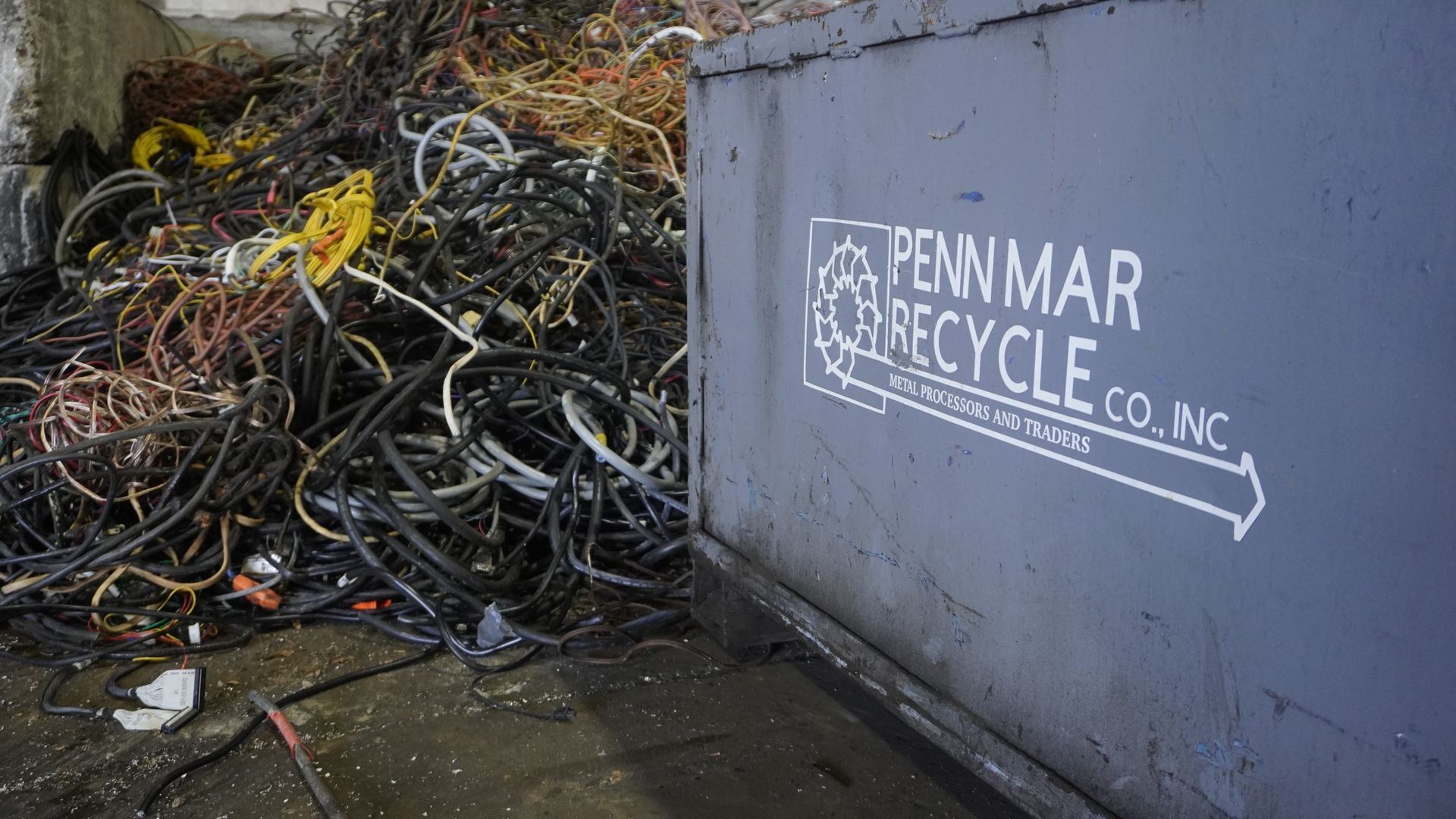
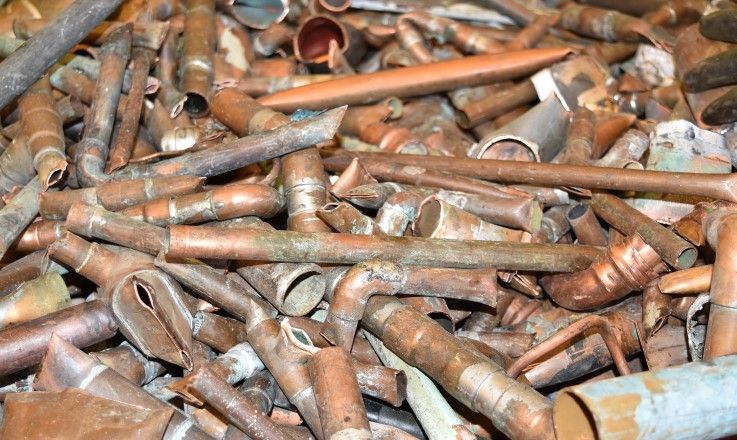
Copper shows up differently depending on the trade. Electrical crews may collect wire after service upgrades or fixture work. HVAC shops may handle copper tubing scrap from equipment replacement or line set changes. Plumbing contractors may remove copper pipe, valves, and fittings during repairs or remodels.
These materials are often mixed into the rhythm of the job. A crew finishes the repair, loads tools, cleans the work area, and moves on. Without a simple scrap plan, copper can end up in the wrong pile or get buried under general construction debris.
Common sources of scrap copper include:
- Electrical wire from service and panel work
- Copper tubing from HVAC repairs
- Plumbing pipe from remodels or replacements
- Fittings, valves, and small copper pieces
- Equipment parts from mechanical cleanouts
Penn Mar Recycle gives trade contractors a place to bring these materials for non ferrous metal recycling instead of letting them disappear into mixed job site waste.
How to Sort Copper Before Recycling
Sorting copper does not need to be complicated. The main goal is to keep copper separate from trash, steel, plastic, and unrelated job debris. This makes the material easier to unload, review, and weigh when it reaches the recycling center.
Electricians should try to keep bare wire, insulated wire, and mixed electrical scrap separated when practical. HVAC shops can set aside tubing and coil-related material from general shop waste. Plumbing contractors can keep copper pipe and fittings away from steel or non-metal debris.
Small habits make a difference. A labeled bucket in a service van, a bin at the shop, or a designated area on a job site can keep copper visible. That is especially helpful for crews that generate scrap copper across multiple jobs each week.
Not sure whether a material should be separated? Penn Mar Recycle can help review copper and mixed materials before they get buried in a larger scrap load.
Why Copper Should Stay Out of Mixed Debris
Copper scrap value can be affected by material type, weight, condition, sorting, and market demand. When copper is mixed with trash, steel, insulation scraps, or general debris, it can become harder to evaluate. That is why basic separation matters.
For contractors, the issue is not only the value of one piece. It is the habit across many jobs. A shop that saves copper wire recycling material consistently may handle scrap more efficiently than a crew that tries to recover it from dumpsters later.
Keeping copper separate can also make cleanup easier. Instead of sorting through a messy pile at the end of the week, crews can place copper in the right container as they work. That saves time and helps prevent usable material from being treated like waste.
Drop-Off, Pickup, or Commercial Recycling
Different contractors need different recycling setups. A solo electrician may bring in scrap wire occasionally. An HVAC shop with regular equipment replacement work may collect copper tubing scrap every week. A plumbing contractor handling remodels may need a steady process for pipe and fittings.
Public drop-off can work well for smaller loads that fit in a truck or van. Commercial recycling may be a better fit for businesses that generate copper regularly and want a more consistent system. Larger or bulk loads may also be easier to manage with pickup options, depending on volume and material type.
Penn Mar Recycle can help contractors think through the right path based on how often scrap is generated, how much space the shop has, and whether crews need a repeatable drop-off or pickup routine.
Have recurring copper scrap from electrical, HVAC, or plumbing work?
Contact Penn Mar Recycle to ask about drop-off, pickup, or commercial recycling options for your business.
How Penn Mar Recycle Helps Trade Contractors
Penn Mar Recycle works with contractors who need a practical way to manage copper and other recyclable metals. The process can be simple: bring material in, get it reviewed, have it weighed, and receive guidance on how future loads can be better organized.
For trade shops, the benefit is consistency. A clear recycling routine helps crews avoid shop clutter, reduce mixed debris, and keep valuable metal from being overlooked. It can also support better job closeout habits because crews know where copper should go after each project.
Contractors can use Penn Mar Recycle for copper recycling, scrap metal recycling, and other material categories accepted at the recycling center. If your business handles recurring copper loads, the team can help you decide whether drop-off, commercial recycling, or another service option makes the most sense.
Call Penn Mar Recycle or use the contact form to ask about copper recycling for your trade business. The team can help you plan a simple process for scrap copper, wire, tubing, and other accepted materials.
FAQs About Copper Recycling for Contractors
Can electricians recycle insulated copper wire?
Yes. Insulated copper wire can often be recycled, and it should be kept separate from trash and unrelated materials when practical. Penn Mar Recycle can review the material and explain how it may be handled.
Should HVAC shops separate copper tubing scrap?
Yes. Copper tubing scrap should be separated from general shop waste, steel, and non-metal debris when possible. Clean separation can make the material easier to review at drop-off.
When does commercial recycling make sense?
Commercial recycling may make sense when a contractor generates scrap copper regularly. It can help electrical, HVAC, and plumbing businesses create a more consistent process for recurring material.
If your trade work produces copper wire, tubing, pipe, or fittings, do not let that material get lost in mixed debris.
Bring it to Penn Mar Recycle or contact the team to ask about copper recycling, commercial recycling, and accepted material options.