Scrap Metal Pickup for Contractors
Scrap metal pickup can help contractors manage metal waste when jobsite scrap becomes too frequent, bulky, or time-consuming for regular drop-off. For crews handling renovations, demolition work, mechanical upgrades, or ongoing service projects, metal can build up quickly in trucks, trailers, shop yards, and active work areas.
A few pieces of steel, copper, aluminum, or mixed hardware may not seem like a problem at first. But across several jobs, that material can slow cleanup, take up storage space, and create extra handling for the crew. A coordinated pickup plan gives contractors a better way to move recyclable metal without waiting until the pile becomes difficult to manage.
Penn Mar Recycle helps contractors and businesses in Pennsylvania explore practical pickup and recycling options. Contractors who need help moving larger scrap loads can learn more about scrap metal pickup options.
Why Contractors Need a Plan for Recurring Scrap
Contractors often deal with scrap metal as part of normal work. It may come from remodels, tear-outs, equipment replacements, plumbing updates, or electrical upgrades. If there is no plan for handling it, the material often gets pushed to the side until someone has time to deal with it.
That delay can create problems. Scrap can take up trailer space, block access near the jobsite, or clutter the shop between projects. When copper, steel, aluminum, and mixed metal are all handled the same way, sorting can also become more difficult later.
A pickup plan is especially useful when scrap appears week after week. Instead of making repeated trips to a recycling center, contractors can explore commercial recycling support for recurring material.
When Scrap Metal Pickup Makes Sense
Scrap metal pickup may be the right fit when a contractor has more material than a normal drop-off load, or when scrap is difficult to move safely. It can also help businesses that generate recurring metal waste and want a more predictable recycling process.
Pickup often makes sense for ongoing renovation work, demolition projects, heavy steel loads, stored contractor yard material, or mixed jobsite scrap that needs coordinated removal. The main advantage is not only getting rid of metal. It is keeping the crew focused on the job instead of spending extra time rearranging piles, loading difficult material, or making unplanned recycling runs.
Contractors often ask whether every scrap load needs pickup. The answer is no. Smaller loads may still be better for drop-off, especially if the material fits safely in a truck or trailer. Pickup becomes more useful when the load is too bulky, too frequent, or too disruptive to handle with normal hauling.
Jobsite Organization Before Pickup
Good scrap handling starts before the pickup happens. Contractors do not need a perfect sorting system, but they should keep recyclable metal separate from trash, wood, drywall, and general debris when practical.
Steel should be grouped where it can be safely accessed. Copper, aluminum, and other non-ferrous metals should be separated when possible so they do not get buried under heavier material. If the site has sharp metal, loose pipe, long pieces, or awkward equipment parts, those items should be placed where they can be moved without blocking active work areas.
This kind of organization helps the jobsite stay safer and easier to manage. It also helps Penn Mar Recycle understand what type of material is being picked up, how much space is needed, and whether the load may require extra planning.
Safety Matters With Contractor Scrap
Scrap metal can create safety problems when it is left loose around a jobsite. Sharp edges, unstable piles, long metal pieces, and heavy scrap can interfere with foot traffic, equipment movement, and cleanup crews.
For contractors, the safest approach is to collect scrap in a designated area. That area should stay away from main walking paths, vehicle access points, and active work zones. If material is too heavy or awkward to move by hand, crews should plan around equipment access instead of forcing unsafe lifting.
This also answers a common contractor question: should scrap be sorted before pickup? Basic sorting is helpful, but it does not need to be perfect. Keeping metal separate from trash and grouping copper, aluminum, and steel when practical can make review and removal easier.
Drop-Off, Pickup, or Commercial Recycling
Not every contractor needs the same recycling solution. Smaller loads may be easy to bring directly to a recycling center, especially when material fits in a truck or trailer and the crew is already near a Penn Mar Recycle location.
Scrap metal pickup makes more sense when loads are larger, heavier, or spread across ongoing projects. Commercial recycling can help contractors who generate metal waste regularly and need a more consistent process for sorting, storing, and removing scrap.
Penn Mar Recycle can help customers compare the options based on material type, project schedule, and how often scrap builds up. That way, contractors are not guessing whether to haul material themselves or coordinate service before the next job begins.
How to Prepare for Scrap Metal Pickup
Preparation should be simple and practical. Contractors should group metal in one accessible area, keep obvious trash out of the scrap pile, and separate higher-value materials when possible.
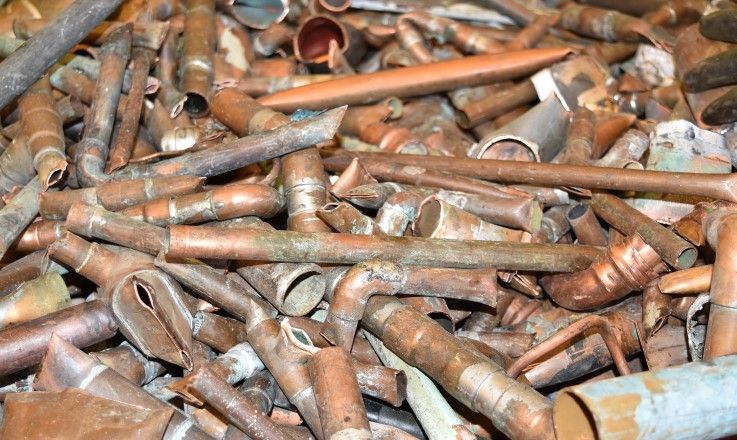
Before requesting pickup, it helps to know the basic type of material involved. Steel loads may include beams, pipe, frames, or structural pieces. Copper loads may include wire, pipe, tubing, or fittings. Mixed metal loads can still be reviewed, but clearer separation usually makes the process smoother.
Contractors with ongoing metal waste may wonder whether pickup can support recurring commercial recycling. Yes, it can. If scrap builds up consistently from jobsites, service work, or shop cleanouts, Penn Mar Recycle can help discuss a repeatable process that fits the way your crew works.